Circumcision
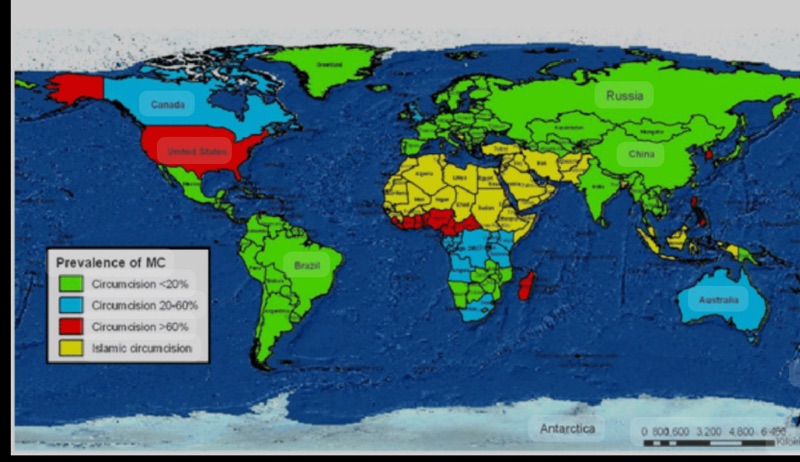
Circumcision in Madagascar is a significant cultural practice, often intertwined with various religious and traditional rituals. The practice varies widely among different ethnic groups, with the most notable being among the Merina, Betsileo, and Sakalava people. Here’s an overview of the custom and its associated rituals:
Cultural Significance
1. Initiation Rite: Circumcision is primarily viewed as an initiation rite. It marks the transition from childhood to adulthood, symbolising maturity and the assumption of adult responsibilities.
2. Religious and Ethnic Influences: Among Muslims in Madagascar, circumcision is practiced as a religious obligation, often performed soon after birth or at an early age. For the Merina and other ethnic groups, it may be linked more to social status and cultural identity.
3. Symbol of Purity: In some traditions, circumcision is associated with purity and cleanliness, influencing social and marital prospects within the community.
Rituals Associated with Circumcision
1. Ceremonial Celebrations: Circumcision ceremonies often involve large gatherings of family and community members. These events can include feasting, music, and dance, emphasising community bonds and cultural heritage.
2. Ritual Procedures: The actual procedure can involve traditional healers or designated practitioners, and it is typically followed by a period of recovery, during which the individual may receive special attention and care.
3. Post-Circumcision Celebrations: Following the circumcision, a celebration or feast often occurs, signaling the successful completion of the rite. This can sometimes include blessings and prayers for the health and future of the newly circumcised individual.
Regional Variations
Each ethnic group in Madagascar may have unique rituals, songs, and practices associated with circumcision. For example:
- Merina: The Merina people have specific rituals that emphasize the importance of lineage and heritage, often accompanied by traditional music and dances that are specific to the event.
- Betsileo: The Betsileo community might integrate agricultural themes into their celebrations, reflecting their connection to the land and cycles of life.
Contemporary Perspectives
In modern Madagascar, views on circumcision are evolving, with some advocacy for health education and awareness about the potential health implications of traditional practices. Efforts are being made to balance cultural traditions with health considerations, highlighting the importance of safe practices.
Conclusion
Circumcision rituals in Madagascar embody a rich tapestry of cultural identity and social structure. While they are deeply rooted in tradition, the ongoing dialogue about health and safety ensures that these practices continue to evolve in a contemporary context.


Comments
Post a Comment