Public Health- a pressing issue facing Madagascar- shortage of health workers.
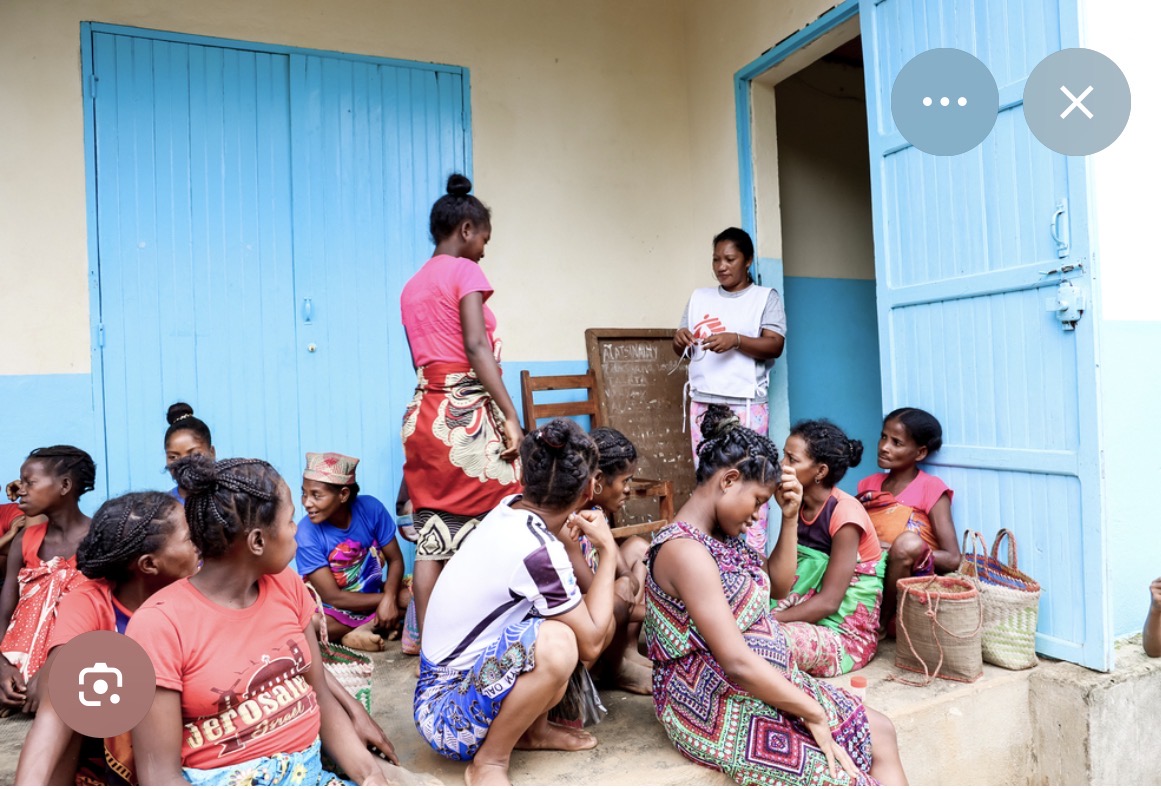
The healthcare worker shortage in Madagascar is attributed to several interrelated factors:
1. Insufficient Training and Education Opportunities
- Limited Medical Schools: There are only a few medical schools in Madagascar, resulting in a limited number of graduates each year. This restricts the inflow of new healthcare professionals into the workforce.
- Quality of Training: Some training programs may not meet international standards, leading to inadequately trained healthcare workers entering the system.
2. Brain Drain
- Migration of Professionals: Many trained healthcare workers leave Madagascar for better opportunities abroad. Factors such as higher salaries, better working conditions, and advanced training prospects in countries with robust healthcare systems contribute to this brain drain.
3. Low Salaries and Poor Working Conditions
- Compensation Issues: Healthcare workers in Madagascar often receive low salaries that do not reflect the demands of their job. This can deter individuals from pursuing or remaining in healthcare professions.
- Inadequate Resources: Poor working conditions, including shortages of supplies and equipment, high patient-to-staff ratios, and limited support, can lead to job dissatisfaction and increase turnover rates.
4. Limited Career Advancement
- Lack of Professional Development: Few opportunities exist for continuing education and professional development, making it difficult for healthcare workers to advance their careers. This can lead to frustration and prompt workers to seek better opportunities elsewhere.
- Stagnant Positions: Many healthcare workers serve in positions with little chance for promotion, contributing to low morale and prompting some to leave the profession.
5. Retention Challenges
- High Workload: Many healthcare providers face overwhelming workloads due to patient shortages and inadequate staffing. This can lead to burnout and decreased job satisfaction, pushing professionals to exit the field.
- Geographic Disparities: Healthcare workers are often reluctant to serve in rural areas, where living conditions and access to amenities are poor. The concentration of facilities in urban areas exacerbates the shortage in rural healthcare.
6. Public Health Crises
- Increased Demand: The rise in infectious diseases and public health challenges, particularly during outbreaks, places additional demands on the existing workforce. This strain can exacerbate burnout and turnover rates.
- Insufficient Response Mechanisms: Limited infrastructure and support systems make it difficult for healthcare workers to effectively respond to health crises, leading to frustration and furthering the cycle of attrition.
7. Political and Economic Instability
- Governance Issues: Political instability and corruption can undermine healthcare systems, leading to decreased investment in healthcare education and professional opportunities, which further diminishes the attractiveness of healthcare careers.
- Economic Barriers: Broader economic challenges in Madagascar limit the government's ability to invest in healthcare infrastructure and workforce development, perpetuating the cycle of shortage.
To address the healthcare worker shortage and improve the overall health infrastructure in Madagascar, several policy changes are necessary. Here are key recommendations:
1. Investment in Medical Education and Training
- Expand Medical Schools: Increase the number of medical and nursing schools to produce more graduates and address the workforce shortfall.
- Enhance Training Quality: Ensure that medical and nursing programs adhere to international standards through improved curricula and accreditation processes, focusing on both theoretical and practical training.
2. Incentives for Retention and Recruitment
- Competitive Salaries: Increase salaries for healthcare workers to match cost of living and attract professionals to the field. Provide additional financial incentives for those working in rural or underserved areas.
- Benefits and Allowances: Offer housing allowances, transportation support, and educational scholarships for healthcare workers to improve their living conditions and encourage them to stay in Madagascar.
3. Professional Development Opportunities
- Continuing Education: Establish and fund programs for ongoing training and professional development for healthcare workers, allowing them to update their skills and advance their careers.
- Leadership Programs: Create leadership development initiatives to prepare healthcare workers for advanced roles in management and public health.
4. Improving Working Conditions
- Resource Allocation: Invest in healthcare infrastructure, including medical supplies and equipment, to reduce the burden on healthcare workers and enhance their ability to provide quality care.
- Patient-to-Staff Ratios: Implement policies to ensure manageable patient loads for healthcare workers, thereby reducing burnout and improving job satisfaction.
5. Encouraging Rural Service
- Incentive Programs for Rural Work: Design specific programs to incentivize healthcare workers to serve in rural and remote areas, such as higher salaries, student loan forgiveness, or dedicated housing.
- Telehealth Initiatives: Expand telehealth services to improve access to care in rural areas and reduce the burden on healthcare workers.
6. Streamlining Governance and Reducing Corruption
- Transparent Hiring Practices: Establish clear and transparent processes for hiring and promoting healthcare workers to prevent corruption and favoritism.
- Accountability Mechanisms: Implement systems to hold healthcare administrators accountable for managing resources effectively and ethically.
7. Community Engagement and Health Education
- Health Literacy Programs: Invest in public health campaigns to educate communities about health issues, encouraging preventive care and reducing the demand for emergency services.
- Community Health Workers: Train and deploy community health workers to bridge gaps in healthcare delivery, particularly in rural areas, and promote health education initiatives.
8. Strengthening Health Information Systems
- Data Management Systems: Develop robust health information systems for tracking healthcare worker distribution, patient outcomes, and disease prevalence. This data can inform policy and workforce planning.
- Surveillance Improvement: Enhance disease surveillance systems to allow for timely responses to outbreaks and better allocation of resources.
9. International Partnerships
- Collaboration with NGOs: Foster partnerships with non-governmental organizations, international bodies, and educational institutions to share expertise, resources, and best practices in healthcare delivery.
- Global Health Financing: Secure international funding and technical assistance to support healthcare initiatives, workforce development, and capacity building.


Comments
Post a Comment