Public Health - a pressing issue facing Madagascar- inadequate medical infrastructure
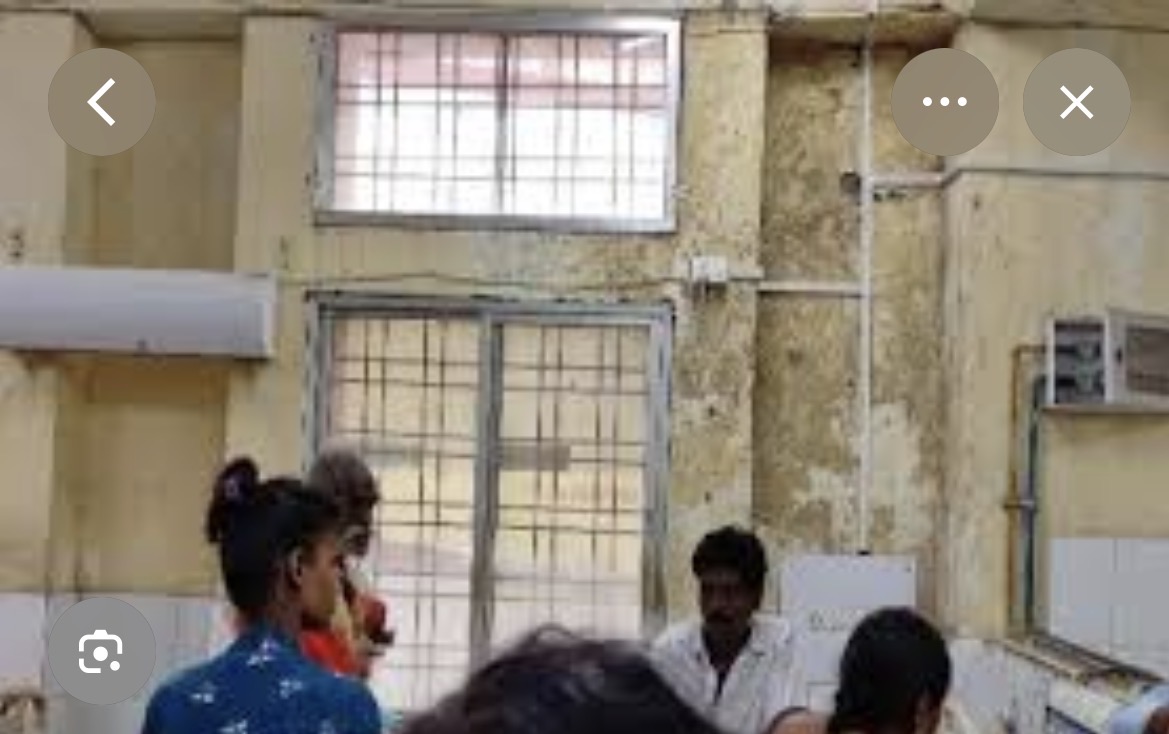
The following illustrates the challenges facing Madagascar's health infrastructure:
1. Limited Healthcare Facilities
- Number of Health Facilities: According to data from the World Health Organization (WHO), Madagascar has about 0.5 hospital beds per 1,000 people, which is significantly lower than the global average of 3.2 beds per 1,000 people.
- Urban vs. Rural Disparities: Approximately 60% of the population lives in rural areas, yet only about 30% of healthcare facilities are located there, creating a significant access gap.
2. Inadequate Resources
- Medicine Shortages: A survey by Médecins Sans Frontières (MSF) reported that 42% of health facilities lacked essential medications for treating common diseases such as malaria and respiratory infections.
- Medical Equipment: The WHO has reported that many health facilities lack basic medical equipment; for instance, only 40% of hospitals reportedly have the necessary diagnostic tools like X-ray machines.
3. Workforce Challenges
- Healthcare Worker Shortage: According to WHO data, Madagascar has approximately 0.4 physicians per 1,000 inhabitants, compared to the global average of 1.5 physicians per 1,000 inhabitants.
- Training Gaps: An estimated 50% of healthcare workers have not received formal training, leading to significant skill deficits in providing quality care.
4. Funding and Budget Constraints
- Healthcare Expenditure: The government allocates about 6% of its budget to health, far below the WHO recommendation of 15%.
- Donor Reliance: Around 40% of Madagascar’s health financing comes from international donors, indicating a heavy dependency that can lead to instability in funding.
5. Poor Health Information Systems
- Surveillance Inefficiencies: A study by the Global Health Security Agenda indicated that Madagascar’s ability to detect and respond to infectious diseases is limited, with various surveillance systems unable to effectively capture real-time data.
- Data Accessibility: Reports highlight that only 26% of health facilities submit timely and accurate health data to national health authorities.
6. Governance and Policy Challenges
- Corruption Perceptions: Transparency International’s Corruption Perceptions Index has consistently ranked Madagascar low, often in the bottom third of the scale, indicating widespread corruption in public service sectors, including health.
- Policy Effectiveness: The World Bank has pointed to bottlenecks in policy implementation where existing health policies often do not translate into actionable programs at the community level.
7. Community Awareness and Education
- Health Education Gaps: Only about 37% of the population has access to quality health education programs, as reported by UNICEF, adversely affecting health literacy and preventive health measures.
- Cultural Practices: Studies indicate that traditional beliefs significantly influence health-seeking behaviour, with many individuals preferring traditional healers over modern healthcare services due to trust and accessibility issues.
8. Impact of External Factors
- Natural Disasters: Madagascar is ranked among the countries most vulnerable to climate change, facing an average of 24 natural disasters annually, including cyclones that disrupt health service delivery.
- Political Instability: Historical data show that Madagascar has experienced repeated political crises, with periods of unrest leading to disruptions in healthcare provision and access, contributing to a decline in health outcomes during those times.
Key Health Outcomes
- Infant and Maternal Mortality: Madagascar has one of the highest infant mortality rates in the world at 39 deaths per 1,000 live births, and maternal mortality rates around 362 per 100,000 live births, according to the World Bank.
- Disease Burden: Malaria remains a leading cause of morbidity, with an estimated 4.5 million cases reported annually, underscoring the urgent need for an effective public health response.
These data points highlight the systemic challenges within Madagascar's health infrastructure and underscore the need for comprehensive reforms to enhance healthcare delivery and outcomes for its population.
In some future blogs I will write about the above issues and how they might be addressed.


Comments
Post a Comment