Accusations
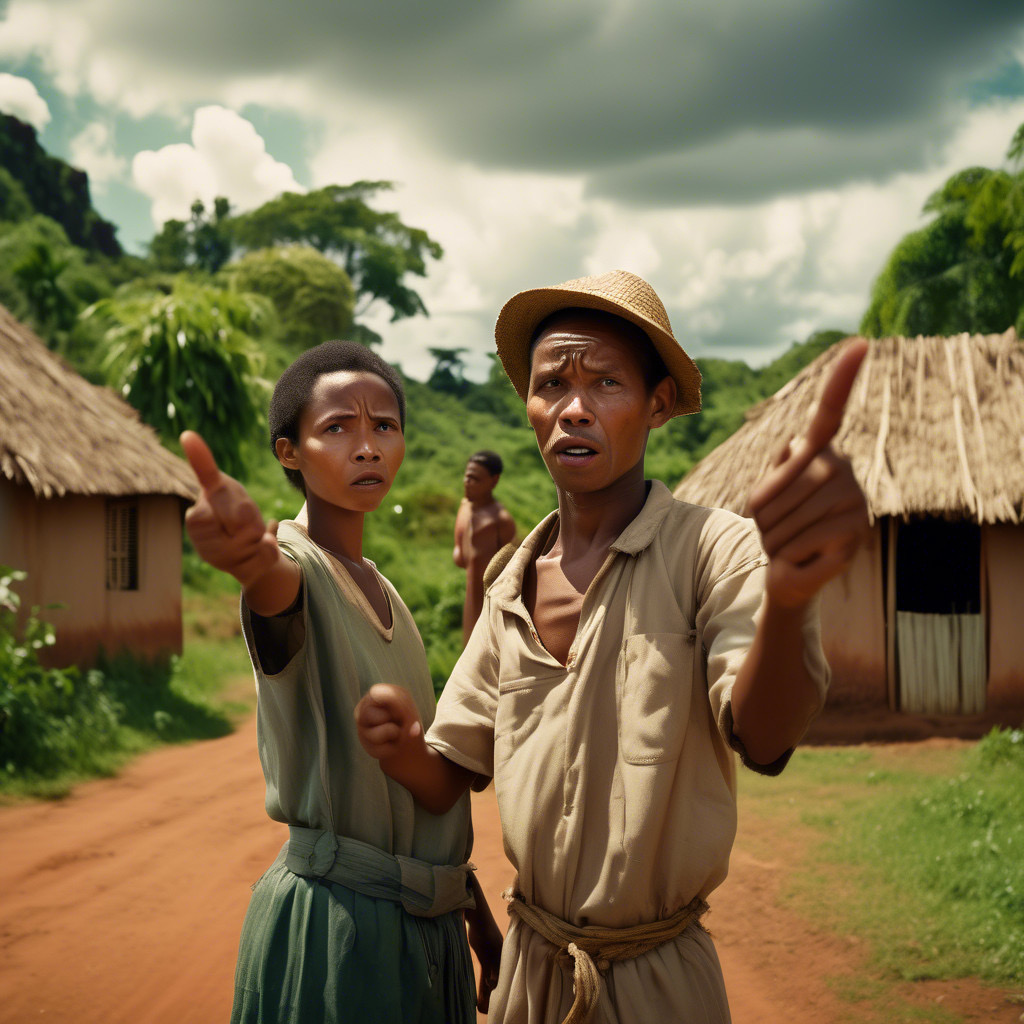
Accusations in Madagascar society can have significant social, legal, and psychological implications. The following are some key dangers associated with this issue:
1. Social Stigma: Accusations, especially in cases of witchcraft or criminal behavior, can lead to ostracism and severe stigma against the accused. This often results in families being marginalised within their communities.
2. Violence and Vigilantism: In certain instances, accusations can trigger mob justice or violence. The accused may face physical harm or even death at the hands of communities seeking immediate retribution, reflecting a deep mistrust in formal legal systems.
3. Legal Consequences: False accusations can lead to wrongful imprisonment or legal battles, which may strain family resources and disrupt livelihoods. The judicial system may not always be equipped to handle such cases fairly.
4. Psychological Impact: Being falsely accused can have devastating mental health effects, including anxiety, depression, and trauma. This emotional toll can affect the individual’s quality of life and their ability to reintegrate into society.
5. Disruption of Community Relations: Accusations can create divisions within communities, leading to conflicts among families or groups. Trust is eroded, and social cohesion can be severely damaged.
6. Cultural Beliefs: In Madagascar, traditional beliefs about witchcraft or curses can complicate accusations. Such cultural factors may lead to exaggerated responses and reinforce harmful practices, like exclusion or violence against the accused.
Addressing these dangers requires a multifaceted approach, including legal reform, community education, and support systems for those affected by accusations.


Comments
Post a Comment