Witchcraft
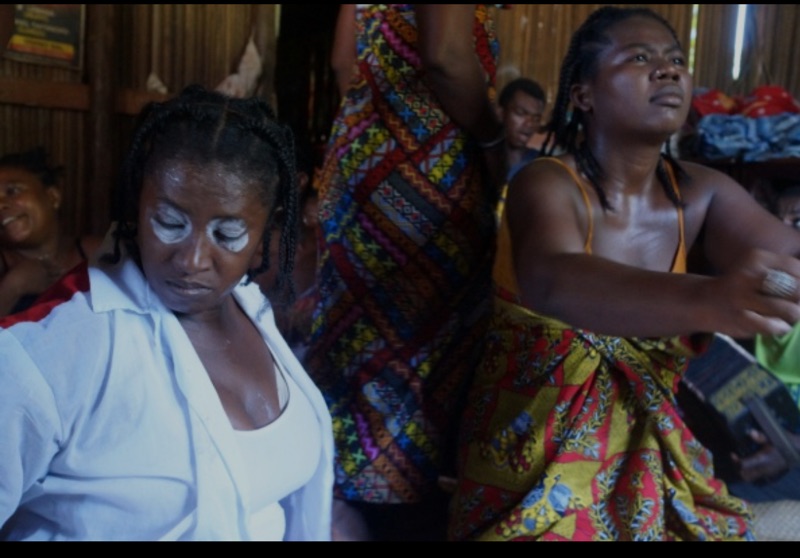
Witchcraft in Madagascar is a complex and often misunderstood aspect of the island's culture and belief systems. It encompasses a range of traditional practices, beliefs in supernatural forces, and spiritual healing methods that are deeply rooted in the history and identity of various Malagasy ethnic groups.
Key Aspects of Witchcraft in Madagascar
1. Ancestral Beliefs:
- The Malagasy people have a profound respect for their ancestors, believing that they play a significant role in their lives. Ancestors are often consulted in matters of health, fortune, and family issues.
2. Traditional Healers:
- Healers, known as "ombiasa," serve as both medical practitioners and spiritual guides. They use herbs, rituals, and divination to treat ailments and address spiritual concerns. Their practices often overlap with what might be considered witchcraft.
3. Sorcery and Magic:
- The belief in sorcery ("doro") is prevalent. Some people fear the negative effects of sorcery and believe that certain individuals can cast spells to harm others. This has led to suspicions and accusations, often resulting in social tension or even violence against accused sorcerers.
4. Rituals and Practices:
- Rituals may involve animal sacrifices, offerings, and the use of talismans. These practices are intended to invoke spirits, seek protection, or attain desired outcomes in life.
5. Modern Context:
- In recent years, there has been a growing intersection of traditional beliefs and modernity. While some Malagasy people embrace these practices, others view them through a critical lens, influenced by globalisation and modernisation.
6. Social and Legal Issues:
- Accusations of witchcraft can lead to serious social consequences, including ostracism, violence, and legal repercussions. Efforts to educate communities about human rights and the dangers of accusations are underway in some regions.
Understanding witchcraft in Madagascar requires a nuanced approach that respects cultural beliefs while acknowledging the potential for harm in misunderstood practices.


Comments
Post a Comment