Abortion
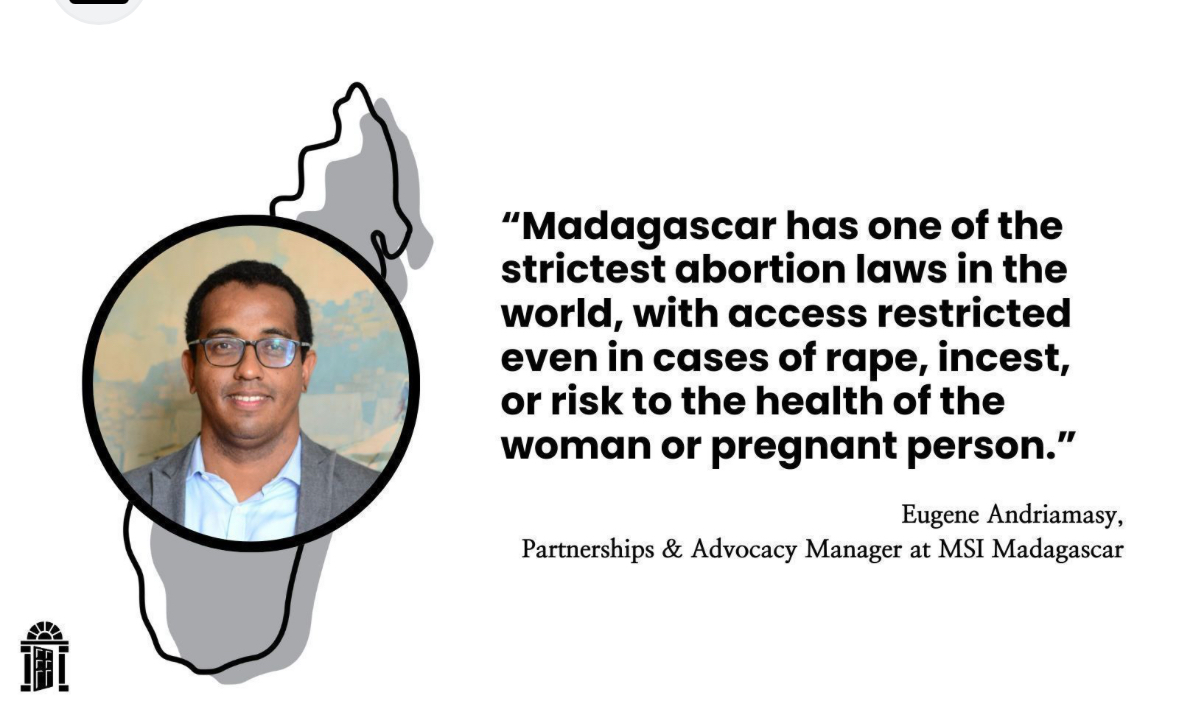
In this post I am considering Abortion in Madagascar and then assessing when was England in a similar position. I find it quite instructive to make these comparatives. It is easy to forget that England and many so called developed countries were in a similar position during their history on a number of the challenges facing Madagascar.
Abortion in Madagascar is completely illegal under all circumstances, making it one of the few countries globally with a total abortion ban. The Malagasy penal code punishes women who have abortions with imprisonment from 6 months to 2 years or fines, and harsher penalties—including up to 5 years in prison and substantial fines—apply to those assisting abortions. This strict legislation has remained since the French colonial era and is heavily influenced by the dominant Christian churches, especially the Catholic Church, which strongly oppose abortion and influence political decisions.
Key issues surrounding abortion in Madagascar include:
- Legal and Political Context: Attempts to legalize abortion, including for cases of rape or risk to the woman's health, have failed. For instance, a 2017 proposal to allow therapeutic abortions was rejected, and a 2021 bill allowing abortion in rape cases was withdrawn by parliament. Madagascar has signed international agreements on reproductive rights but has not ratified the Maputo Protocol, which would require expanded abortion rights.
- Unsafe Abortions and Maternal Health: Despite the ban, many women resort to unsafe, clandestine abortions, often with traditional midwives or self-induced methods. These unsafe abortions are a major contributor to maternal mortality, with estimations that about 11.8% of maternal deaths in 2012 were due to complications from unsafe abortion. Complications include severe haemorrhage, infection, and pelvic inflammatory disease.
- Social and Cultural Factors: The strong opposition to abortion is tied to religious beliefs and social norms. A 2022 survey showed that 96% of Malagasy oppose abortion legalization on demand, and 85% oppose it even in cases of rape, though 65% support abortion if the pregnancy threatens the woman’s life. Domestic sexual violence is common, but there are no laws protecting women, and victims often have no legal recourse, contributing to hidden and dangerous abortions.
- Limited Contraceptive Use and Family Planning: Low use and accessibility of contraception contribute to high rates of unwanted pregnancies and subsequent unsafe abortions.
Socio-economic barriers and fear of losing employment also limit access to family planning services.
- Advocacy and Civil Society Efforts: Organizations such as Nifin’Akanga lead efforts to decriminalize abortion and improve sexual and reproductive health rights in Madagascar. These groups conduct research, public campaigning, and support for grassroots activism, despite significant resistance and challenges.
In summary, abortion in Madagascar is legally banned without exceptions, deeply influenced by conservative religious values, and contributes significantly to unsafe abortions and maternal mortality. Efforts for reform face strong opposition, but advocacy groups remain active for change amid significant social and health challenges.
The situation surrounding abortion in Madagascar today can be compared to England's legal landscape regarding abortion during the late 19th century, particularly before the passing of the Abortion Act of 1967.
1. Late 19th Century England: Before the 1967 Act, abortion in England was illegal and punishable under the Offences Against the Person Act of 1861. Abortions could be performed only if there was a clear imminent risk to the woman's life; otherwise, both women and those who assisted in abortions faced severe legal repercussions.
2. Cultural Context: Just as Madagascar today faces strong religious and cultural opposition to abortion, late 19th-century England was also influenced by societal norms and moral perspectives, particularly from religious groups, which condemned the practice.
3. Unsafe Abortions: Before the legalization in 1967, many women in England resorted to unsafe methods or sought illegal abortions, much like the current situation in Madagascar, where restrictive laws lead to unsafe abortions and associated health risks.
4. Gradual Reform Movement: Over time, advocacy and changing societal attitudes led to reforms in England, culminating in the 1967 Abortion Act, which legalized abortion under certain conditions and improved safety for women. Madagascar currently lacks similar progress, facing ongoing resistance to legal reform.
In summary, Madagascar's contemporary issues regarding abortion reflect a historical parallel to England's pre-1967 landscape, marked by similar legal prohibitions, societal resistance, and health risks associated with unsafe procedures.


Comments
Post a Comment