Child Sexual Abuse in Madagascar is a grave concern
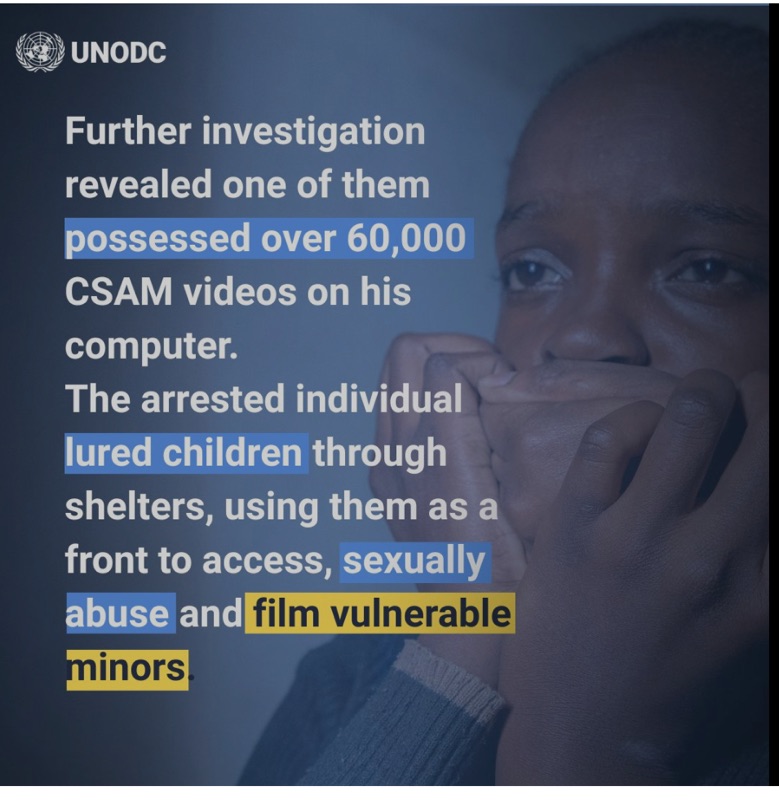
This week I was meeting with my lawyer to discuss an agreement. When I arrive there is a very young girl and presumably her mother just leaving. The young girl had been raped and was pregnant. I was aware that child abuse and domestic violence were significant issues in Madagascar and so this post considers the issue of child sexual abuse including rape.
The issue in Madagascar is a grave concern, reflecting significant systemic failures in protecting vulnerable children. Despite legal frameworks and international commitments, such as the Convention on the Rights of the Child (CRC), there are considerable gaps in enforcement and social support, which exacerbate the vulnerability of children.
Key Facts and Statistics:
1. Incidence of Sexual Violence:
- A considerable number of girls in Madagascar experience sexual violence. The 2018 National Study on Violence Against Children reported that approximately 10% of girls aged 15-19 had experienced sexual violence [1].
- It is estimated that many cases go unreported due to stigma, fear of retaliation, and a lack of trust in the legal system.
2. Context of Abuse:
- Most sexual violence occurs within families or familiar settings. Many children are abused by trusted adults, making it difficult for victims to disclose their experiences.
- Instances of sexual exploitation and trafficking are also prevalent, where children are lured into prostitution or forced labor, exacerbated by poverty and economic instability.
3. Challenges in Reporting and Prosecution:
- Cultural factors often blame victims rather than perpetrators, leading to underreporting of rape and sexual abuse cases.
- The legal system is inadequate in prosecuting offenders, partly due to insufficient training for law enforcement on handling child abuse cases and a lack of resources to support victims through the judicial process [2].
4. Impact of Socioeconomic Factors:
- Economic hardship pushes many families into situations where children are more at risk of abuse, as they may be forced to engage in labor or are more vulnerable in unstable environments.
- Poverty, accompanied by inadequate educational opportunities, increases the likelihood of children being exploited sexually, particularly in urban areas where tourism can create a demand for such exploitation [3].
5. Government and NGO Responses:
- Government initiatives have sought to improve laws protecting children, but implementation remains weak. Organizations like UNICEF work to provide support systems for victims, including counseling and legal assistance [4].
- Community awareness programs aim to educate on children's rights and the importance of reporting abuse.
Recommendations for Improvement:
- Strengthening law enforcement training to handle cases of child sexual abuse effectively.
- Enhancing the support systems for victims, including medical, psychological, and legal services.
- Promoting community awareness campaigns to destigmatize reporting abuse and support survivors.
- Implementing strict monitoring and regulations to combat child trafficking and exploitation, particularly in tourism sectors.
Conclusion:
The rape and sexual abuse of children in Madagascar represent a significant human rights violation that necessitates urgent attention and action from the government, NGOs, and the international community. Combating this issue requires a multi-faceted approach that includes legal reform, societal change, and effective support systems for victims.
---
References:
1. National Study on Violence Against Children, 2018.
2. Human Rights Watch reports on Madagascar's legal responses to violence against children.
3. UNICEF Madagascar initiatives against child exploitation.
4. Local NGOs focusing on children's rights and victim support programs.


Comments
Post a Comment