The significant threat of HIV to Madagascar
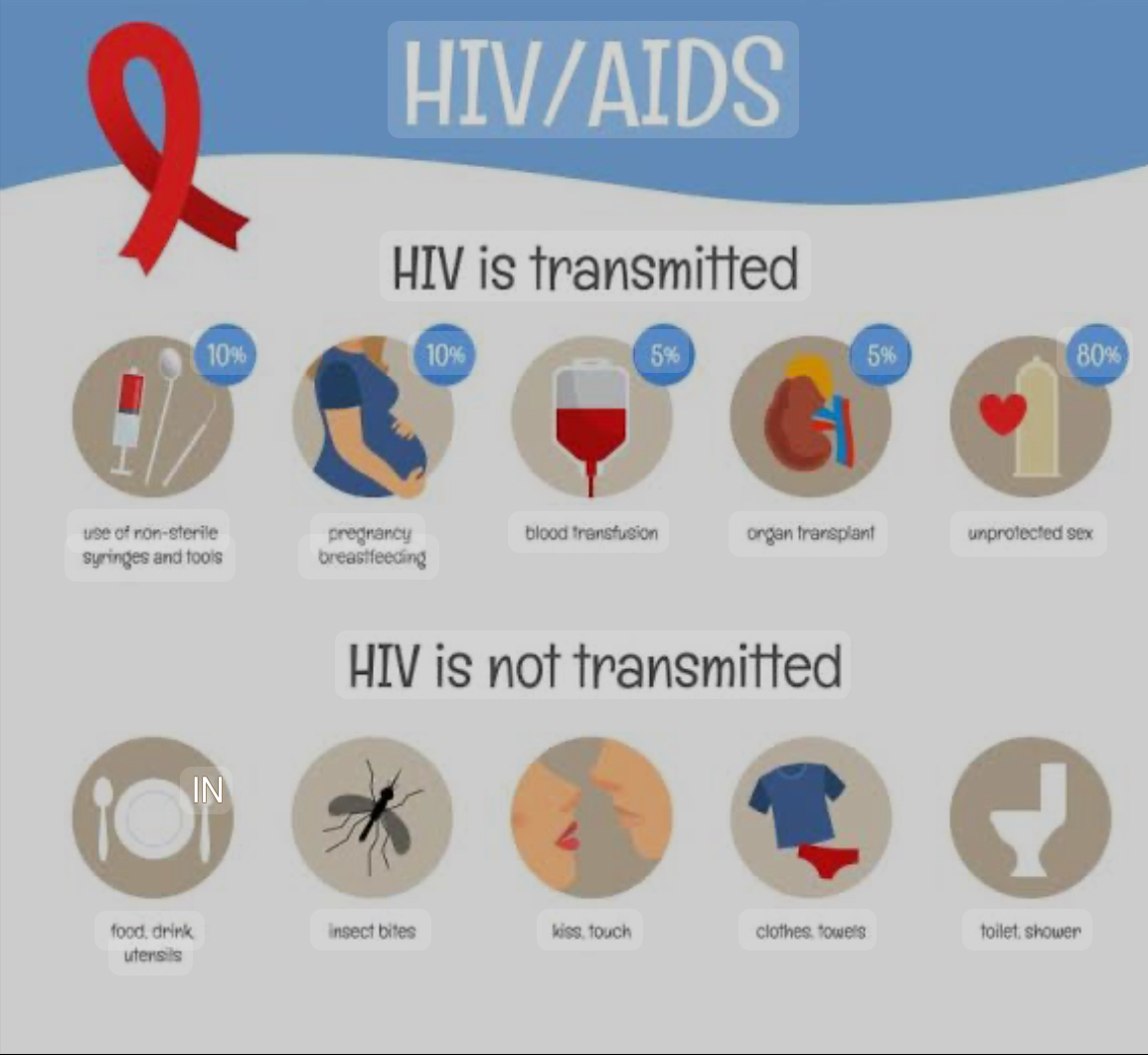
Madagascar is experiencing a significant increase in HIV cases, contrasting with the declining trends in many neighbouring countries. The number of people living with HIV in Madagascar has risen dramatically, with UNAIDS estimating around 76,000 cases in 2023. Despite official data indicating a low general population prevalence of less than 1%, there is evidence of a concentrated epidemic among vulnerable groups, such as sex workers and those involved in high-risk occupations. This situation is exacerbated by gaps in HIV prevention and inequality, which UNAIDS emphasises need urgent attention.
Some projections estimate that 24% of the population will be HIV positive by 2030 or nearly 9 million people.
Current Situation and Challenges
- HIV Prevalence and Incidence: Madagascar's HIV prevalence is officially reported as less than 1% in the general population, but specific groups like sex workers and men who have sex with men show much higher rates. Notably, studies have shown a higher prevalence of HIV in urban areas, particularly near major travel routes, and among certain occupations like mining.
- Challenges in Response: The country faces challenges in its HIV response due to inadequate data and surveillance, leading to insufficient awareness, care services, and research initiatives. Despite efforts to expand the national HIV strategy, the lack of comprehensive epidemiological studies hampers effective support and funding.
- International Support: UNAIDS and other organisations are urging global solidarity to strengthen Madagascar's response to the HIV epidemic. This includes calls for increased funding and support to address gaps in HIV prevention and treatment.
Future Directions
Improving epidemiological surveillance and addressing inequalities in access to HIV services are crucial steps towards managing the epidemic effectively. Expanding antiretroviral therapy (ART) coverage and enhancing awareness among vulnerable populations will be essential components of a successful response strategy. Additionally, addressing the social determinants of health, such as poverty and transactional sex, is vital to prevent further spread.


Comments
Post a Comment