China versus Madagascar
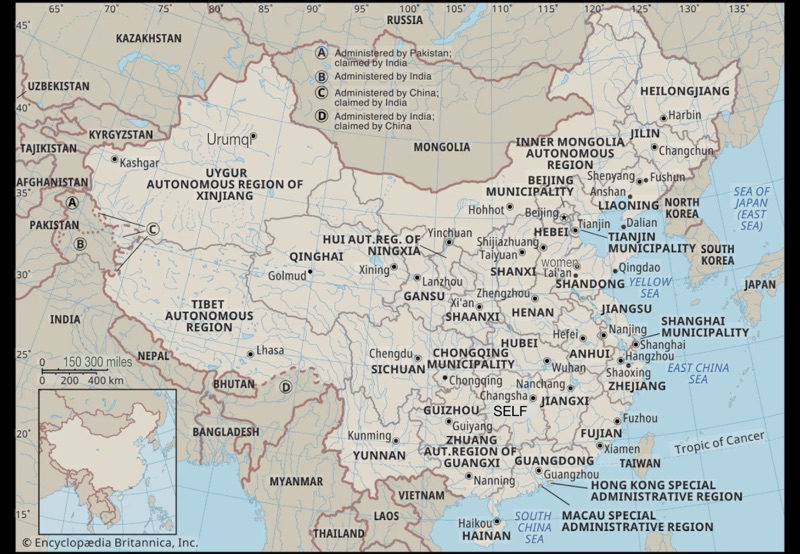
Here’s a comparison of the ideals and aspirations of the Gen Z movement in Madagascar with the realities of China, highlighting what Madagascan youth aspire to achieve in contrast to the Chinese context.
Political Ideals
- Madagascar (Gen Z Aspirations): The Gen Z movement in Madagascar envisions a more democratic and participatory political system. They aspire for transparency, accountability, and the inclusion of youth voices in governance. Their movement seeks to challenge existing political structures impacted by corruption and instability, advocating for reform and civic engagement.
- China: In contrast, the political landscape in China is characterized by a one-party authoritarian regime where dissent is often suppressed. While some Chinese youth aspire for reforms, they generally operate within the confines of the system. Aspirations tend to focus more on personal success rather than challenging political structures, as open political activism can lead to severe repercussions.
Economic Aspirations
- Madagascar: Gen Z in Madagascar hopes for an economy that fosters sustainability and local entrepreneurship. They aspire to create jobs and develop industries that are environmentally friendly and socially responsible, focusing on innovation in agriculture, technology, and ecotourism. The goal is to reduce dependence on foreign aid and empower local communities.
- China: Chinese Gen Z, on the other hand, aims to thrive in a booming economy that emphasizes technology and innovation. Their aspirations are often geared towards competitive careers in tech, finance, or entrepreneurship. However, the pressure of high expectations in a fast-paced economic environment creates stress and prompts a growing discussion about work-life balance and mental health.
Social and Cultural Ideals
- Madagascar: The Gen Z movement in Madagascar embraces inclusivity, cultural heritage, and social justice. They advocate for gender equality, access to education, and improved healthcare. Their vision includes a society that values diversity, community engagement, and the empowerment of marginalized groups.
- China: In China, while there is a growing awareness of social issues such as mental health, the youth often navigate the complexities of cultural expectations and norms. There is a strong sense of nationalism among some Gen Z individuals, alongside a desire for individual expression. However, social activism can be limited, as the government maintains strict control over public discourse and civil society.
Aspirations for Change
- Madagascar: The Gen Z movement in Madagascar is characterized by a strong desire for grassroots activism and community engagement. They want to create a future that reflects their values, emphasizing environmental sustainability, social equity, and active civic participation.
- China: In China, while there is ambition among Gen Z to innovate and push boundaries creatively, the desire for substantial systemic change faces significant obstacles. Many aspire to work within the existing framework, focusing on personal achievement rather than collective political change, which can lead to frustration and disillusionment within the context of strict governmental oversight.
Conclusion
In summary, Malagasy Gen Z aspires for a future marked by democratic governance, sustainability, and inclusivity, confronting the challenges posed by political instability and social inequities. Conversely, Chinese Gen Z advocates for individual success and innovation within a controlled political framework, balancing personal aspirations with the realities of authoritarian governance. The contrast highlights a fundamental divergence in the paths these two generations envision for their future, shaped by their respective cultural, political, and economic environments.


Comments
Post a Comment