Rainy Season in Antananarivo
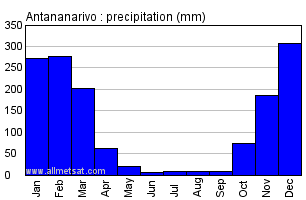
In the next few weeks I am going to discuss the rainy season.
The rainy season in Antananarivo, Madagascar, typically occurs from November to April and has significant impacts on the environment, economy, and daily life. Here are some key aspects:
1. Agricultural Benefits: The rain is crucial for agriculture, replenishing water supplies for crops and supporting the main agricultural activities in the region. Farmers rely on this season for the growth of staple crops such as rice and vegetables.
2. Flooding and Infrastructure Challenges: Heavy rainfall often leads to flooding, which can damage infrastructure, homes, and roads. The city's drainage systems struggle to cope with the volume of rain, leading to urban flooding that disrupts transportation and daily activities.
3. Public Health Concerns: The rainy season brings an increase in waterborne diseases such as malaria and dengue fever. Standing water can create breeding grounds for mosquitoes, which raises public health risks.
4. Economic Effects: While agriculture benefits from the rains, flooding and infrastructure damage can lead to economic losses. Businesses may face disruptions, and costs for repairs and recovery can strain local resources.
5. Environmental Impacts: The season influences the local ecosystem, affecting biodiversity. Rainfall contributes to the lushness of the surrounding landscape, supporting various plant and animal species.
Overall, the rainy season in Antananarivo is a double-edged sword—while it is vital for agriculture and maintaining water supplies, it also poses challenges that require effective urban planning and disaster management strategies.


Comments
Post a Comment