Heavy rainfall in Antananarivo significantly affects infrastructure and daily life
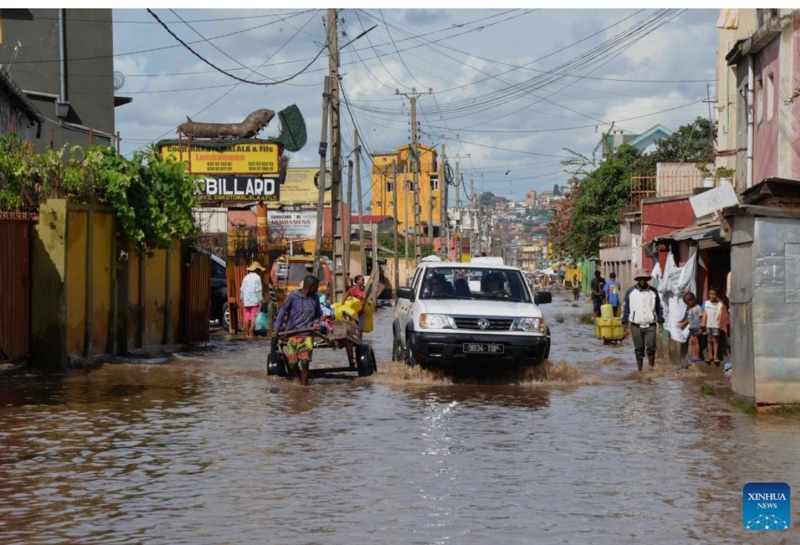 Heavy rainfall in Antananarivo profoundly impacts infrastructure and daily life.
1. Urban Flooding:
- Causes: Antananarivo’s hilly terrain complicates drainage. Rainwater often flows into the city, overwhelming existing drainage systems that are often inadequate for heavy rainfall amounts.
- Consequences: Flooded streets can isolate neighborhoods, make vehicles inoperable, and pose risks to pedestrian safety. Homes in flood-prone areas may suffer damage to foundations and interiors.
2. Transportation Issues:
- Traffic Congestion: When roads are flooded or damaged, traffic slows significantly. Commuters may face lengthy delays, leading to frustration and decreased productivity.
- Increased Accident Risk: Wet roads can lead to more traffic accidents, as drivers may lose control or misjudge distances. Poor visibility during heavy rain exacerbates these risks.
3. Public Health Concerns:
- Mosquito-Borne Diseases: Regions flooded by rainfall can become breeding grounds for mosquitoes. This heightens the risk of diseases such as dengue fever, chikungunya, and malaria, which are prevalent in tropical climates.
- Water Quality Issues: Heavy rainfall can wash pollutants into water sources, making drinking water unsafe and increasing the risk of gastrointestinal diseases.
4. Impact on Utilities and Services:
- Electricity Supply: Rain and flooding can damage electrical infrastructure, leading to power outages. In some cases, flooding can cause electrical short circuits, posing fire hazards.
- Water Distribution: Sanitation and water systems may become overwhelmed or contaminated, leading to service disruptions and health risks.
5. Economic Repercussions:
- Damage to Infrastructure: The cost of repairing roads, bridges, and public systems after heavy rainfall can strain municipal budgets. Long-term infrastructure investments may become necessary to prevent repeated damage.
- Market Disruptions: Local markets may see reduced supply as flooding affects farmers’ ability to deliver produce. This can lead to increased prices and economic instability for residents reliant on these goods.
6. Emergency and Recovery Efforts:
- Preparedness: Local governments may implement emergency response strategies, such as establishing evacuation routes and providing temporary shelters during significant rainfall events.
- Community Involvement: Residents often come together to assist one another, creating community support systems. Informal networks can help distribute food, provide shelter, and assist with cleanup.
7. Psychosocial Impact:
- Stress and Anxiety: Living in areas prone to flooding can cause anxiety and stress for residents, particularly during heavy rain seasons. Concerns about property loss and health risks can weigh heavily on families.
- Displacement: Prolonged heavy rainfall can lead to evacuations and displacement of families, disrupting social networks, education, and job stability.
8. Long-Term Adaptations:
- Infrastructure Improvements: In response to ongoing challenges, the government and urban planners may explore innovative drainage solutions, green infrastructure, and community-based approaches to manage stormwater.
- Awareness and Education: Public education campaigns on flood preparedness can empower residents to take proactive measures during the rainy season.


Comments
Post a Comment