Is Madagascar informally trying to develop a sex industry?
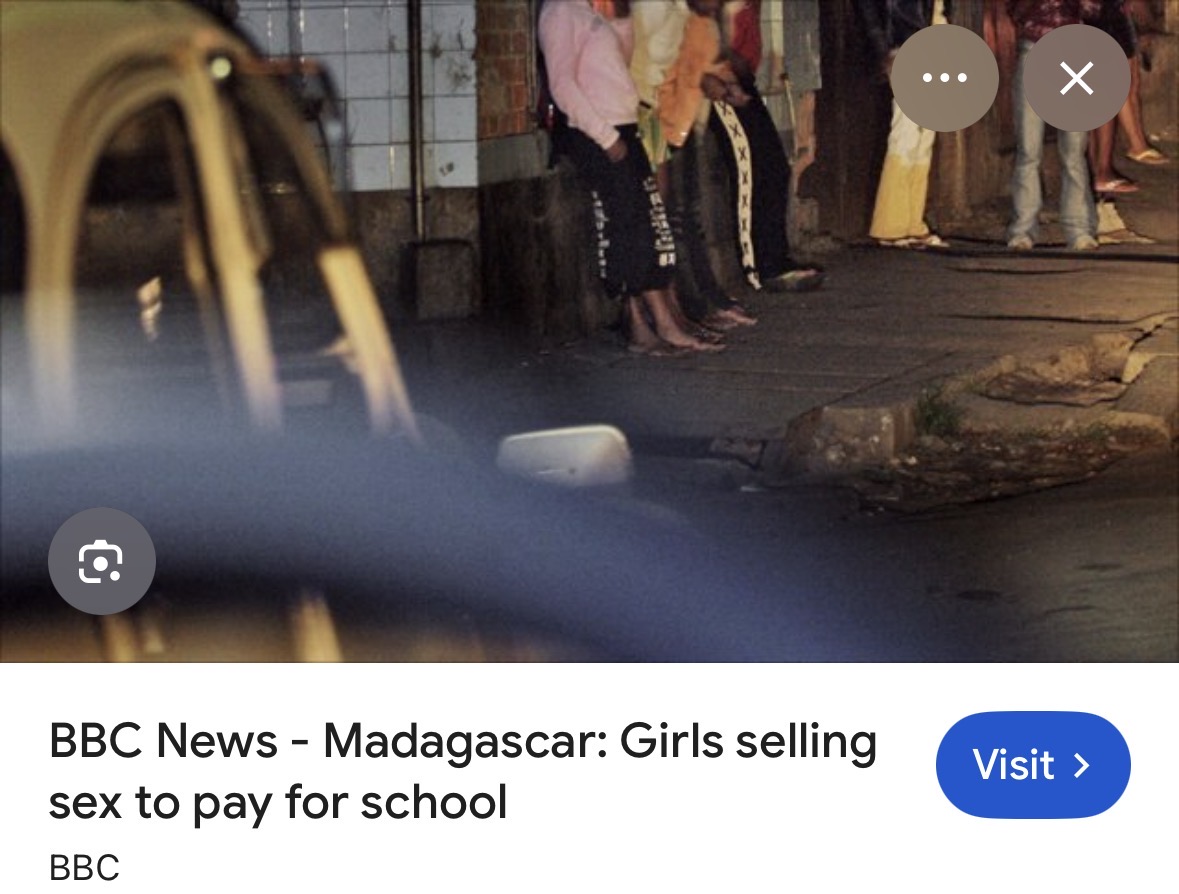
In certain areas of Madagascar, particularly in tourist hotspots like Nosy Be, there are informal indications of a developing sex industry largely driven by the influx of foreign tourists, particularly from Western countries. This phenomenon arises from several interrelated factors:
1. Tourism Demand: As a popular destination for tourists, Nosy Be and other resorts attract visitors seeking both leisure and escapism. Some local businesses cater to this demand, contributing to the growth of an informal sex industry.
2. Economic Incentives: For many locals, engaging in sex work can serve as a substantial source of income compared to other employment options, particularly in economically disadvantaged regions. This economic motivation drives some individuals to participate in the industry.
3. Lack of Regulation: The informal nature of the industry is facilitated by the lack of stringent laws regulating the sex trade in Madagascar. This legal ambiguity allows for the proliferation of sex work without adequate protections for those involved.
4. Cultural Dynamics: The cultural perceptions of sex work can vary, and in some contexts, it may be viewed as an acceptable means of earning a living. This can lead to a tolerance of activities surrounding sex work within certain communities.
5. Public Health Concerns: The informal development of the sex industry raises public health issues, including the risk of sexually transmitted infections (STIs) and inadequate access to healthcare services for sex workers.
While some stakeholders may see the sex industry as a means to boost local economies through tourism, it presents complex challenges.
The development of an informal sex industry in places like Nosy Be, Madagascar, presents several challenges:
1. Human Rights and Exploitation: Many individuals may be drawn into sex work due to economic desperation, leading to potential exploitation by traffickers or employers. This raises serious human rights concerns, as vulnerable populations may be coerced or manipulated.
2. Health Risks: Sex workers often face significant health risks, including exposure to sexually transmitted infections (STIs) and limited access to healthcare resources. The lack of health education and services can exacerbate these risks, affecting both workers and the broader community.
3. Social Stigma: Individuals involved in sex work often experience stigma and discrimination from society, which can lead to social isolation, mental health issues, and reduced access to support services. This stigma can make it difficult for sex workers to reintegrate into their communities if they seek to leave the industry.
4. Violence and Safety: Sex workers frequently face violence and harassment from clients, law enforcement, and community members. The absence of legal protections can result in a lack of recourse for those who experience abuse, making the work environment dangerous.
5. Economic Dependency: The informal nature of the sex industry may create economic dependencies that are difficult to break. Workers may find it challenging to transition to other employment opportunities, particularly if the sex industry becomes their primary source of income.
6. Legal Ambiguity: The lack of clear regulations surrounding sex work can create an environment of uncertainty. It can hinder efforts to implement proper safeguards for sex workers and prevent exploitation, making it challenging to address the industry's social implications.
7. Impact on Community Perception: The presence of a sex industry can influence local community dynamics, shaping perceptions and potentially leading to tensions between residents and tourists. Concerns about morality, safety, and community values may arise.
8. Cultural Dynamics: Balancing cultural attitudes toward sex work with the realities of the informal industry can be complex. While some may view it as a viable economic option, traditional views may conflict with the emergence of a sex industry.
Addressing these challenges requires a multifaceted approach that includes legal reform, community education, public health initiatives, and support services aimed at protecting the rights and well-being of sex workers while fostering sustainable economic opportunities.


Comments
Post a Comment