Economic impact of recent cyclones
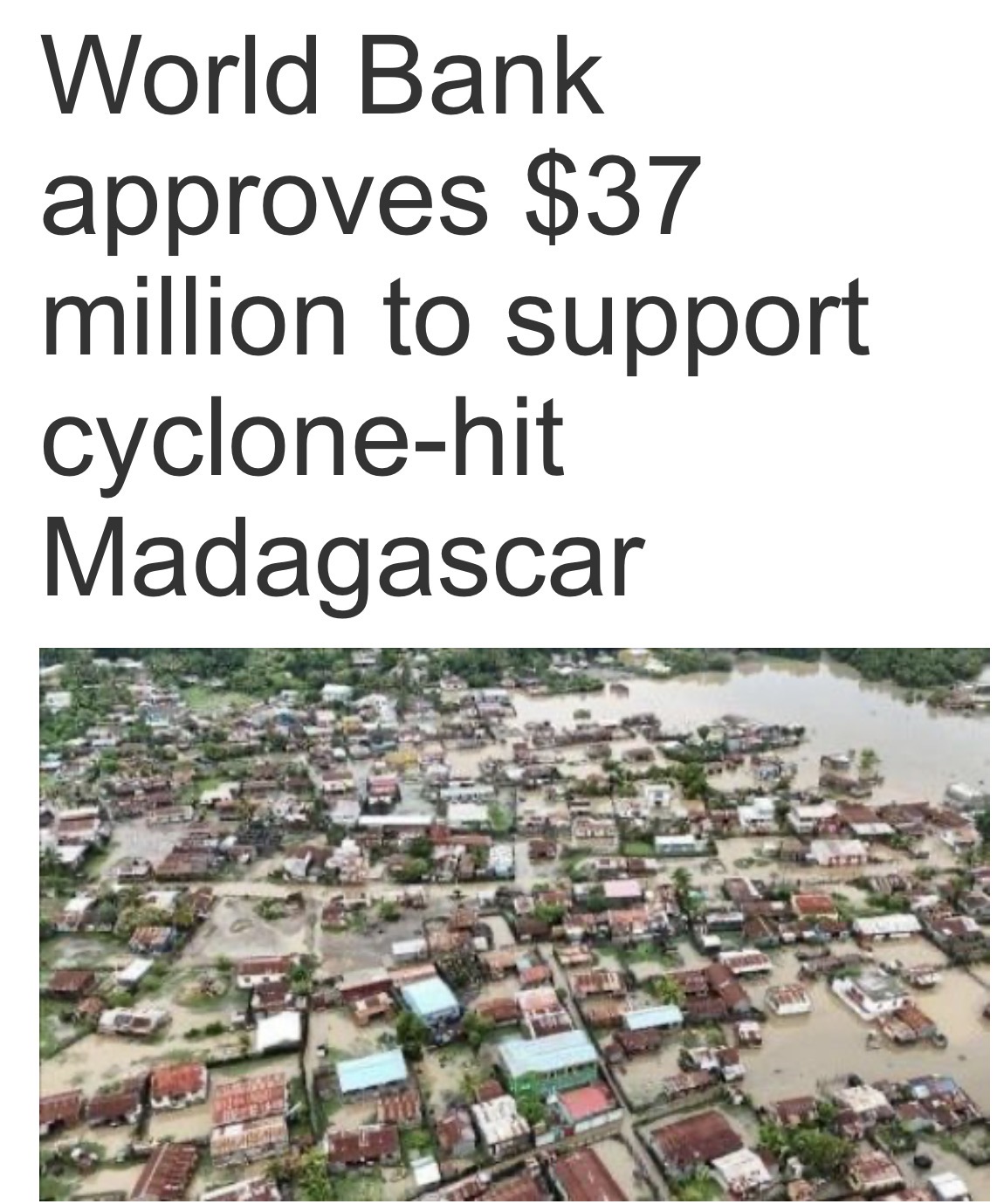
Cyclones Fytia and Gezani, striking Madagascar in late January and early February 2026, have inflicted severe economic damage, particularly through destruction of infrastructure, agriculture, and supply chains in key areas like Tamatave (Toamasina), exacerbating food insecurity and hindering recovery in a country where 80% of the workforce relies on subsistence farming.
Immediate Humanitarian and Infrastructure Losses
These back-to-back cyclones caused 38 deaths, 374 injuries, and affected over 260,000 people, with 400,000 in urgent need of aid; Tamatave, Madagascar's second-largest city and a major economic hub, saw 80% of its structures damaged, including the vital Toamasina port that handles 75% of international freight for exports like vanilla, minerals, and seafood.
- Damage to roads, water, electricity, schools, health facilities, and businesses has disrupted commerce and isolated markets.
- Flooding destroyed rice fields and household food stocks during the crop-growing season, leading to crop losses, reduced agricultural labor opportunities, and temporary market isolation.
- Port disruptions at Toamasina threaten export revenues and national supply chains, compounding prior cyclone impacts like Gamane in 2024 that required $76 million in road repairs.
The government declared a national state of emergency and appealed for international aid, prompting the World Bank to approve $37 million for cash transfers to 40,000 households, cash-for-work programs, nutritional support, and rebuilding of services.
Agricultural and Food Security Impacts
Agriculture, critical to the economy with subsistence farming dominant, faces deepened setbacks from flooded farmlands and damaged trading infrastructure, driving up food prices and worsening insecurity in regions like Analanjirofo, Atsinanana, and Alaotra Mangoro.
- Increased demand for imported rice will undermine local producers' incomes and livelihoods, while supply chain breaks in Analamanga elevate prices and erode purchasing power.
- Fishery assets and informal markets in coastal areas, key employment hubs, sustained losses, further reducing household earnings.
- Prior cyclones (e.g., four in 2022) flooded 200,000 hectares of land, destroyed 50,000 homes, and equated to nearly 5% of GDP in damage, raising poverty by 27% among affected households; recent events mirror this pattern.
Broader Economic Disruptions
Cyclones account for 85% of Madagascar's annual $100 million infrastructure damage, stalling industrialization of farming and mining (nickel, cobalt exports), and vulnerable transport limits connectivity.
Currency depreciation from shocks adds inflationary pressure on imports, while political factors like suspended regional bloc membership compound fragility.
Recovery Efforts and Long-Term Risks
International support includes World Bank funding for resilient rebuilding, IFRC aid for shelter and water, and prior investments like JICA's $640 million Toamasina port expansion. However, repeated cyclones limit recovery, deepen poverty, and heighten vulnerability as climate change intensifies storms.


Comments
Post a Comment