The dilemma faced by Malagasy families when a family member falls ill
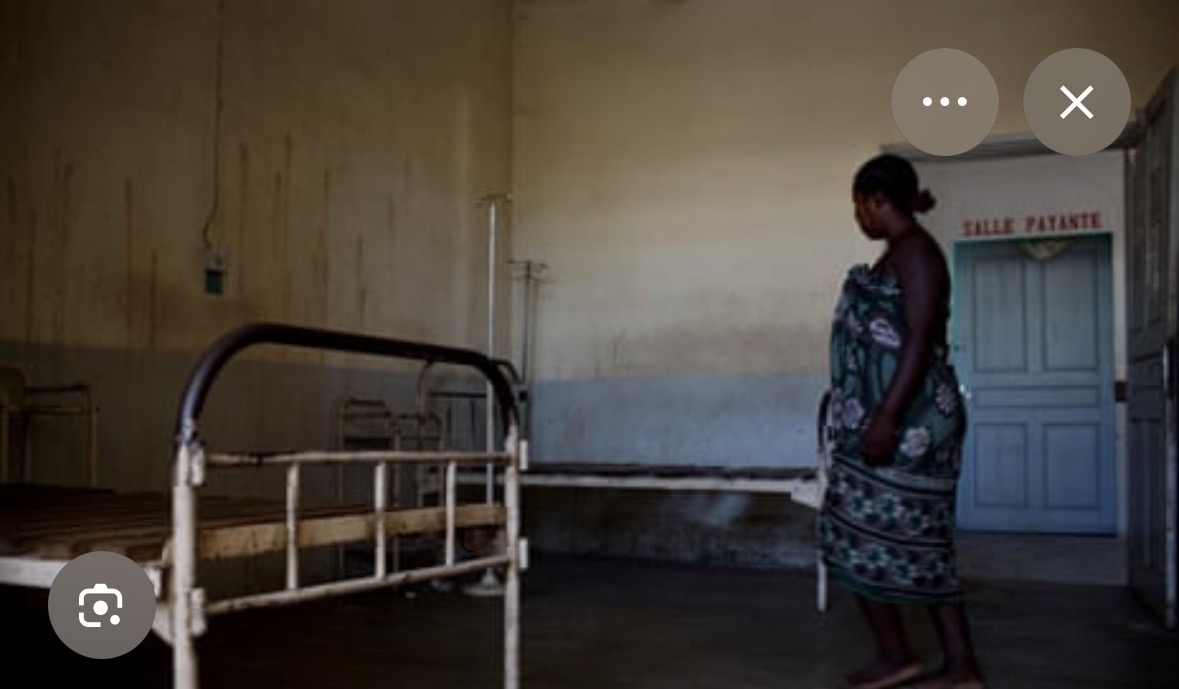
The dilemma faced by Malagasy families when a family member falls ill often intertwines cultural, social, and economic factors. Here are some key points outlining the challenges:
1. Economic Burden: Families must balance the cost of medical care with everyday living expenses. Many Malagasy families live in poverty, making it difficult to afford medical treatment. Out-of-pocket expenses can lead to significant financial strain.
2. Access to Healthcare: Rural areas in Madagascar often have limited access to healthcare facilities or qualified medical professionals. Families may have to travel long distances to seek treatment, leading to delays in care.
3. Cultural Beliefs: Traditional beliefs and practices hold significant sway in many Malagasy communities. Some families may prefer traditional healers over modern medicine, complicating decisions about seeking medical help. This can be influenced by a lack of trust in formal health systems.
4. Social Support Systems: Extended family networks often play a critical role in supporting sick members. However, this shared responsibility can add pressure to the entire family unit, especially if multiple members need care simultaneously.
5. Emotional Stress: Illness can bring about emotional and psychological stress, not only for the sick individual but also for family members who may feel helpless or anxious about the situation.
6. Stigmatization: Families dealing with chronic illnesses or certain diseases may face stigmatization within their communities, affecting their social standing and support systems.
7. Decision-Making Conflicts: Family members often have differing opinions on treatment methods—whether to pursue traditional or modern medical approaches, and who should be responsible for caregiving. This can create tension and conflict within the family.
Here are some hypothetical illustrations that depict the dilemmas Malagasy families might face when a member falls ill:
1. Economic Strain:
- Scenario: A father in a rural village falls seriously ill with a chronic condition. The family has limited savings and depends on his income as a farmer. The mother must decide whether to spend their savings on hospital care or pay for daily necessities like food and education for the children. This creates a distressing choice between immediate health needs and the family's overall sustainability.
2. Access to Healthcare:
- Scenario: A mother in a remote area discovers her child has a severe infection. The nearest hospital is over 20 kilometers away, and the roads are in poor condition. The family lacks transportation, and they may need to rely on borrowed money for a ride, which delays seeking critical treatment and puts the child’s health at risk.
3. Cultural Beliefs:
- Scenario: A young woman is diagnosed with a gynecological issue. Her family believes in traditional healing practices and insists she seek help from a local healer instead of going to the hospital. She is torn between adhering to her family’s beliefs and her awareness that modern medical treatment may provide a better solution for her health.
4. Social Support:
- Scenario: An elderly family member suffers a stroke. The immediate family calls for an emergency response, but with limited financial resources, they weigh whether to hire a caregiver to assist with rehabilitation or rely on other family members to help. However, those family members also have work and familial obligations, leading to a lack of available support.
5. Emotional Stress:
- Scenario: A teenager in the family is diagnosed with diabetes. The family experiences worry and fear about managing the condition, especially the dietary changes and regular monitoring required. This stress causes tension within the household, leading to arguments over how to best support the teenager.
6. Stigmatization:
- Scenario: A woman in the community falls ill with a disease perceived as shameful or contagious. Her family faces social isolation as neighbors start to distance themselves, fearing they might also contract the illness, which adds to the emotional burden of caring for the sick family member.
7. Decision-Making Conflicts:
- Scenario: A father has a heart condition, and family members disagree on treatment paths. The mother wants to bring him to the hospital, while his siblings believe he should stick to traditional remedies they've always known. This conflict leads to strain and division within the family as they navigate care decisions.
These illustrations highlight the complex and multifaceted challenges that Malagasy families confront when a family member gets sick, encompassing economic, cultural, and emotional dimensions.


Comments
Post a Comment