Education - a pressing issue facing Madagascar.
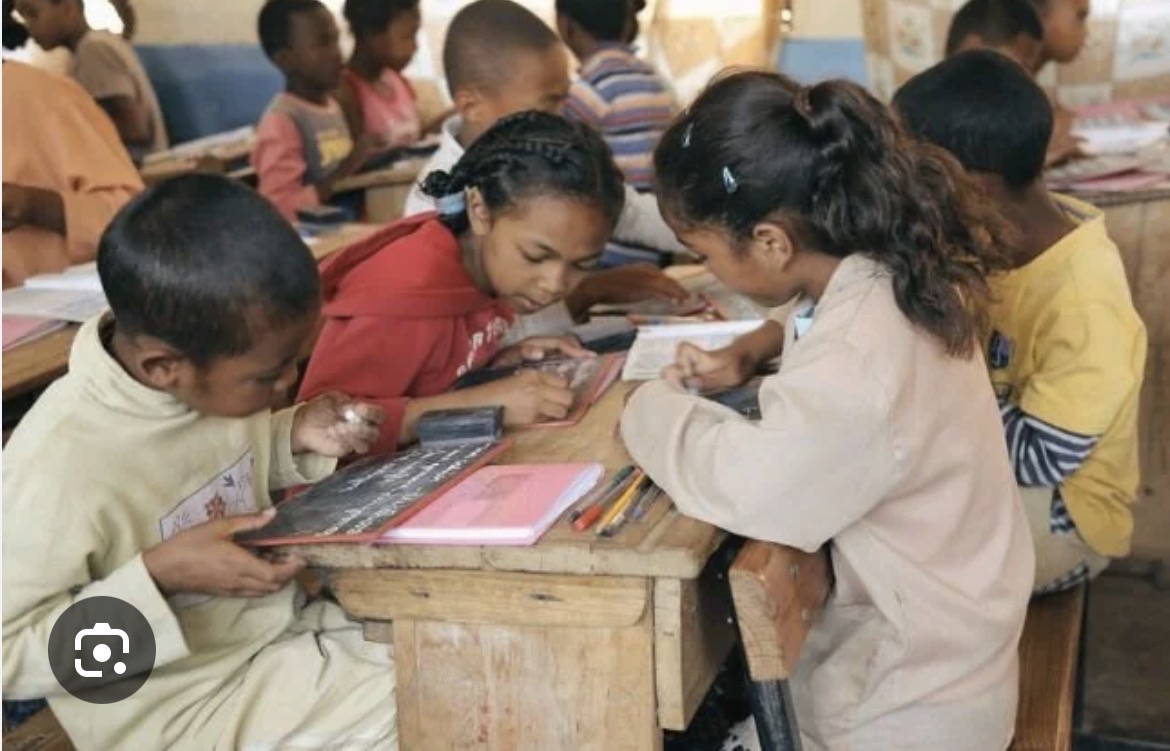
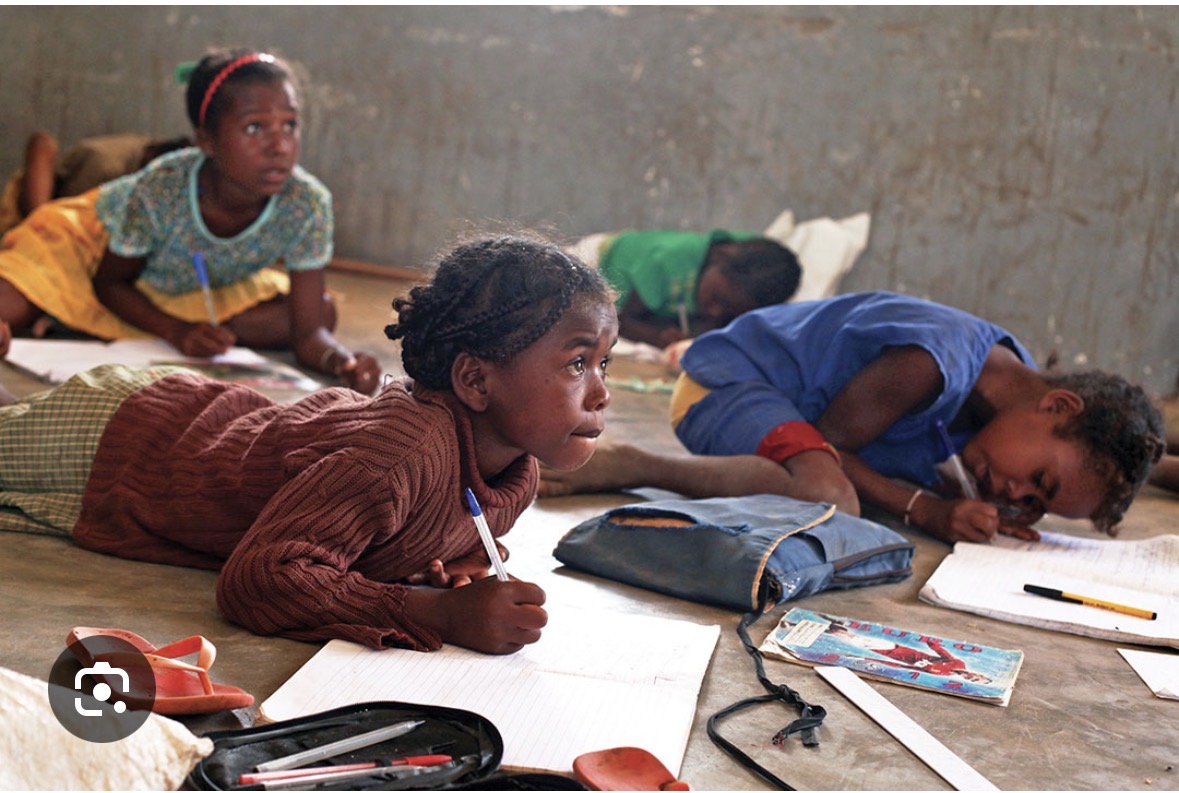
In this blog I look at the failures of the education system, the policy changes required, some examples in other countries and finally a guess as to the cost of reforming the system.
Madagascar's education system faces several challenges and failures that have hindered its ability to provide quality education and improve access, particularly in rural areas. Here are some identified failures:
1. High Dropout Rates
- Limited Retention Strategies: Many students drop out due to economic pressures, inadequate facilities, and a lack of engaging curriculum. The system lacks effective retention strategies to keep students in school until they complete their education.
2. Quality of Education
- Insufficient Teacher Training: Many teachers are inadequately trained, leading to a lack of effective teaching methods and poor learning outcomes. Continuous professional development opportunities are limited.
- Outdated Curriculum: The curriculum is often not aligned with the needs of students or the job market, failing to engage students or provide relevant skills.
3. Infrastructure Challenges
- Access to Schools: Many rural areas lack sufficient schools, with long distances to the nearest educational facilities. This geographical barrier significantly impacts enrollment, especially for girls.
- Poor Learning Environments: Existing schools often have inadequate facilities and resources, including a lack of textbooks, classrooms, and basic sanitation, making it difficult for students to learn effectively.
4. Socio-Economic Barriers
- Economic Constraints: Many families face poverty, which leads to children being taken out of school to support the family financially. The need for children to work instead of attending school is a significant barrier.
- Cultural Factors: In some regions, cultural attitudes toward education, particularly regarding girls' education, can hinder enrolment and retention.
5. Policy Implementation Issues
- Inconsistent Education Policies: Although there have been various education policies and initiatives, inconsistent implementation and lack of follow-through have led to limited impact on improving access and quality.
- Limited Government Investment: Insufficient funding for education leads to a reliance on external aid and does not meet the growing needs of the population, affecting infrastructure, resources, and teacher salaries.
6. Inequitable Resource Distribution
- Regional Disparities: There is a significant disparity in education resources between urban and rural areas. Schools in urban areas tend to receive more funding and better resources compared to those in rural regions.
7. Lack of Community Engagement
- Minimal Involvement: There has been limited engagement with parents and communities in decision-making processes related to education. This lack of involvement can lead to a disconnect between what is taught and what communities value.
To address the challenges of limited access to quality education and high dropout rates in Madagascar, particularly in rural areas, a comprehensive approach involving several key policy changes is essential.
1. Curriculum Reforms
- Contextualized Curriculum: Develop a curriculum that is relevant to local cultures, languages, and economic activities. This would enhance engagement and applicability for students.
- Integration of Life Skills: Include life skills, vocational training, and entrepreneurship in the curriculum to prepare students for actively contributing to their communities.
- Continuous Assessment Methods: Shift from traditional examination methods to continuous and formative assessments that focus on critical thinking, creativity, and practical application of knowledge.
2. Teacher Training and Capacity Building
- Professional Development: Implement ongoing professional development programs for teachers that focus on modern teaching techniques, inclusive education practices, and use of technology in the classroom.
- Incentives for Rural Educators: Develop incentive programs to attract and retain qualified teachers in rural areas, such as salary bonuses, housing assistance, or career advancement opportunities.
- Partnerships with NGOs and Universities: Collaborate with non-governmental organisations and universities to enhance teacher training programs and ensure that they meet the needs of local communities.
3. Infrastructure Development
- Building More Schools: Prioritize the construction of additional schools in remote and underserved areas, ensuring they are equipped with basic facilities (e.g., clean water, electricity, and sanitation).
- School Maintenance Programs: Develop a framework for the regular maintenance of school facilities to ensure a conducive learning environment, including renovations and updates to existing structures.
- Transportation Solutions: Establish transportation services for students in rural areas, such as school buses or community-led initiatives, to reduce travel barriers and encourage regular attendance.
4. Community Engagement and Involvement
- Community-Driven Initiatives: Involve local communities in the planning and management of schools to ensure that institutions reflect their needs and priorities.
- Parent and Community Partnerships: Promote programs that encourage parental involvement in education, including workshops and forums that educate families about the importance of consistent school attendance.
- Support for Vulnerable Groups: Develop initiatives aimed at providing scholarships, financial aid, or resources for vulnerable populations, including girls and economically disadvantaged children, to facilitate their access to education.
5. Leveraging Technology
- Digital Learning Platforms: Develop and implement digital learning platforms to supplement traditional education, especially in remote areas where physical resources may be limited.
- Access to Educational Materials: Ensure that students and teachers have access to digital educational resources through community centers or partnerships with organizations that provide free or low-cost technology.
- Training in Technology Use: Provide training for both teachers and students on using technology effectively for learning purposes, as well as how to access online resources.
6. Monitoring and Evaluation
- Data-Driven Decision Making: Establish a robust data collection and management system to track school performance, student attendance, and dropout rates, enabling evidence-based policy adjustments.
- Regular Evaluation of Programs: Conduct regular evaluations of educational programs and initiatives to assess their effectiveness and impact on student outcomes, ensuring continuous improvement.
- Stakeholder Engagement: Involve various stakeholders, including teachers, parents, and local governments, in the evaluation process to gather diverse perspectives and enhance accountability.
Implementing these policy changes requires a collaborative effort from the government, local communities, and international partners. By focusing on improving educational quality and accessibility, Madagascar can create a more equitable and effective education system that fosters student retention and success, particularly in rural areas.
Several countries have successfully implemented comprehensive education reforms that focus on improving access to quality education, particularly in rural areas. Here are a few notable examples:
1. Rwanda
- Infrastructure Development: Post-genocide, Rwanda focused on rebuilding its education system, constructing over 1,000 new schools in rural areas, and significantly improving access.
- Curriculum and Teacher Training: The government has implemented an updated curriculum that includes technical and vocational training, along with extensive teacher training programs.
- Use of Technology: Rwanda has invested in technology in schools, introducing digital learning to enhance the education experience and make resources more accessible.
2. Kenya
- Universal Access Policies: Kenya implemented free primary education in 2003, leading to increased enrollment rates. The initiative aimed to include marginalized and rural populations.
- Teacher Management Systems: The country is working on improving teacher training and retention, especially in remote areas, by providing incentives and career advancement opportunities.
- Community Engagement: Local communities have been involved in the management of schools, ensuring that educational initiatives are tailored to local needs.
3.Vietnam
- Education System Reforms: Vietnam has reformed its education system with an emphasis on quality and inclusive education, particularly for ethnic minorities and rural children.
- Curriculum Changes: The curriculum now emphasizes competencies and critical thinking, integrating vocational and life skills into basic education.
- Investment in Teacher Training: The government has prioritised teacher training programs and has partnered with organisations to enhance educational quality.
4. Brazil
- Focus on Inequality: Brazil has implemented policies targeting educational inequality, particularly in rural and impoverished areas, through funding mechanisms that ensure resources are allocated based on needs.
- Curricular and Pedagogical Innovations: The government has introduced curricular reforms that include a focus on local cultures and skills relevant to local economies.
- Community Programs: Programs like the Bolsa Família have provided financial incentives for families to keep their children in school, particularly in vulnerable populations.
These countries demonstrate that successful education reform and improved access to quality education in rural areas require a multifaceted approach, including curriculum reforms, teacher training, community involvement, and the integration of technology. By learning from these examples, Madagascar, can tailor policies to address their specific educational challenges effectively.
So, what is a back of the envelope estimate as to the cost 😄
Transforming Madagascar's education system requires significant investment across various sectors, including infrastructure, teacher training, curriculum development, and community engagement. The precise financial requirement can vary based on specific goals, strategies, and existing resources. Here's a breakdown of potential investment areas and their estimated costs:
1. Infrastructure Development
- School Construction and Renovation: Building new schools and renovating existing ones, especially in rural areas.
- Estimated Cost: $200 million - $300 million annually to construct and maintain schools.
2. Teacher Training and Salaries
- Professional Development Programs: Establishing continuous training for teachers and improved salary structures to retain qualified educators.
- Estimated Cost: $100 million - $150 million annually for training programs and incentives.
3. Curriculum Development and Educational Materials
- Revised Curriculum and Resource Provision: Developing a relevant curriculum and providing educational materials such as textbooks and learning resources.
- Estimated Cost: $50 million - $100 million annually for curriculum reform and resource distribution.
4. Technology Integration
- Digital Learning Initiatives: Investing in technology for schools, including computers and internet access, particularly for remote areas.
- Estimated Cost: $50 million annually for technology acquisition and training.
5. Community Engagement Programs
- Inclusive Programs: Initiatives to promote parental involvement and community support for education.
- Estimated Cost: $20 million - $30 million annually to fund community engagement efforts.
Total Estimated Investment
Combining these estimates, the total annual investment needed for a comprehensive transformation of Madagascar's education system could range between $420 million and $680 million.
Proportion of GDP
Madagascar’s GDP is around $15.2 billion.
Calculating the investment as a proportion of GDP:
- Low Estimate: $420 million / $15.2 billion ≈ 2.76% of GDP
- High Estimate: $680 million / $15.2 billion ≈ 4.47% of GDP
The investment required to transform the education system in Madagascar would need to be between approximately 2.76% and 4.47% of GDP annually. This level of financial commitment would be significant but necessary to ensure a sustainable improvement in educational access and quality, especially in underserved regions. Moreover, achieving these investments would require coordinated efforts from the government, international organizations, and private sector partnerships to mobilize sufficient resources.


Comments
Post a Comment