Update on the February Cyclones.
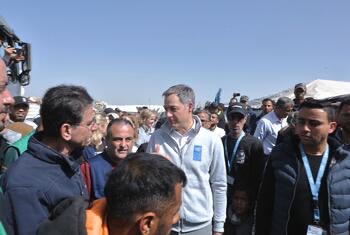 Madagascar faced a severe humanitarian emergency following two successive tropical cyclones in early February 2026 that have affected hundreds of thousands of people and caused extensive damage across the island.
The Cyclones
Cyclone Fytia struck Madagascar's west and northwest coast on January 31, 2026, with sustained winds exceeding 150 km/h and gusts reaching 250 km/h.The storm displaced tens of thousands of people and caused devastation across nine regions spanning 38 districts.
Cyclone Gezani made landfall near Toamasina, Madagascar's second-largest city, on February 10, 2026, just ten days after Fytia.The storm underwent rapid intensification with sustained winds peaking at 200 kilometres (125 miles) per hour at Category 3 hurricane strength.As it passed near Toamasina, rain rates reached up to 4 centimeters (1.6 inches) per hour, causing widespread flooding.
Human and Infrastructure Impact
The combined impact of both cyclones has been catastrophic:
- Deaths and injuries: At least 52 people died from Cyclone Gezani alone. Over 800 people have been injured, and nine remain missing.
- Displacement and affected populations: More than 470,000 people were affected by Gezani, with over 35,000 continuing to be displaced.Combined with Fytia's impact, the total number of people affected by both cyclones exceeds 680,000.
- Housing and infrastructure damage: Over 68,000 homes have been damaged or destroyed across affected regions. Cyclone Gezani destroyed more than 27,000 homes according to preliminary assessments, with reports indicating 80% of Toamasina city damaged.The destruction includes widespread power outages, collapsed roofs, and lack of clean water. Critical infrastructure including roads (such as RN2), schools, hospitals, and water systems suffered severe damage.
Agricultural Crisis
The agricultural sector faces particularly severe threats in a country where nearly eight out of ten households depend fully or partially on farming. Up to 174,100 hectares of cropland were flooded, with several eastern communes experiencing over 80 percent cropland damage.Crops commonly grown in affected areas include rice, vanilla, lychees, black pepper, cloves, and cinnamon. Families in affected communes fear famine, with one farmer stating: "The crops are damaged and yields will be low. We are truly afraid of famine this year."
Vulnerability and Recovery Challenges
A UN Development Programme satellite analysis revealed that the cyclones hit hardest in communities already struggling with poverty.Floodwaters reached areas home to up to 350,000 people, of whom as many as 63 percent were already living without reliable access to essential services before the storms struck.This overlap between flood damage and pre-existing poverty threatens recovery prospects.
Humanitarian Response and Funding Gap
The Madagascar government declared a state of emergency, acknowledging that the crisis exceeds the country's capabilities alone. UN agencies, the African Development Community, and the European Union deployed teams to strengthen coordination. Humanitarian organisations including SAF/FJKM are providing cash assistance, health kits, and water and sanitation services, while private sector coordination through PSHP is mobilising corporate support.
However, funding remains critically insufficient. An estimated $49 million is urgently required to support 382,000 people over the next two and a half months. The World Food Programme faces an $18.3 million funding gap for its six-month emergency response, forcing reductions in lean season assistance elsewhere in the country to just 10 percent of planned beneficiaries.


Comments
Post a Comment