A shift from promised reforms to entrenched authoritarianism six months post-coup.
Amnesty International has issued multiple recent statements and reports highlighting intensified repression in Madagascar, particularly following a military coup in October 2025 that ousted the previous regime amid youth-led Gen Z protests demanding better governance and services.
These documents condemn arbitrary arrests, enforced disappearances, excessive use of force, and vague charges like "criminal conspiracy" and "threats to national security" to silence activists, civil society, and critics under the junta's anti-corruption pretext.
Key Concerns on Repression Post-2025 Coup
Amnesty's April 2026 statements focus on the military authorities' crackdown on Gen Z activists:
- Arbitrary arrests and enforced disappearances of protesters voicing concerns over water, electricity shortages, corruption, and governance.
- Invocation of the outdated 1960 Order 60-082 to justify excessive force and criminalise peaceful assembly, violating international standards.
- Failure to investigate junta-linked abuses while targeting former regime affiliates; demands for release of those detained solely for exercising rights.
Broader Context and Calls to Action
Amnesty urges repeal of repressive laws like Order 60-082, protection for protesters (including those planned for April 18, 2026), and accountability for violations. Prison overcrowding, inhumane conditions, and failures to address drought-induced displacements compound vulnerabilities, with repression hindering responses. These patterns signal a shift from promised reforms to entrenched authoritarianism six months post-coup.
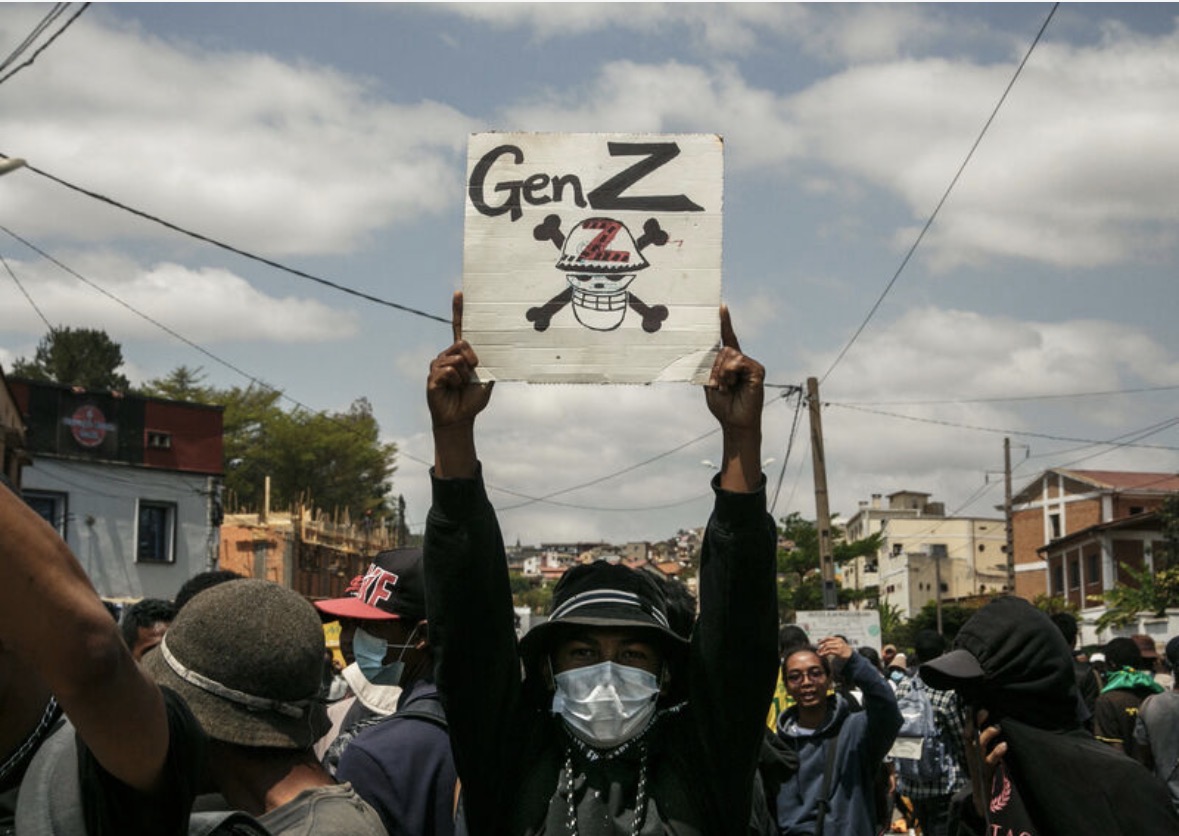
The military regime in Madagascar has specifically targeted young activists associated with the 'Gen Z' protest movements through various oppressive measures:
1. Arbitrary Arrests: Activists have been subjected to arbitrary arrests and detentions simply for participating in peaceful protests or expressing dissenting views against the military government. Many have been detained without formal charges.
2. Enforced Disappearances: There have been reports of activists going missing after participating in protests, leading to widespread fear among the youth regarding their safety and the consequences of their activism.
3. Violent Crackdowns on Protests: The regime has responded to demonstrations with excessive force. This includes the use of tear gas, rubber bullets, and live ammunition against protesters, resulting in injuries and fatalities, particularly among young participants.
4. Legal Harassment: Young activists face vague and broad charges such as "criminal conspiracy" and "threats to national security," which are often levied to suppress their activities and intimidate their peers.
5. Surveillance and Intimidation: The military government has monitored social media and communications to track and intimidate activists. This includes threats against those organizing or participating in protests to deter them from voicing their concerns.
6. Targeting of Leaders: Prominent figures within the 'Gen Z' movement have been singled out for harassment, including smear campaigns, public intimidation, and targeted arrests to disrupt the leadership of the movement.
7. Censorship of Online Spaces: The regime has obstructed online platforms and social media channels commonly used by young activists to mobilize and share information, limiting their ability to organize and communicate effectively.
8. Stigmatisation: There has also been a broader attempt to delegitimise the 'Gen Z' activists by portraying them as destabilisers or threats to national security, attempting to undermine public support for their cause.
These actions illustrate a concerted effort by the military regime to suppress dissent and undermine the efforts of young activists advocating for social change and better governance in Madagascar.
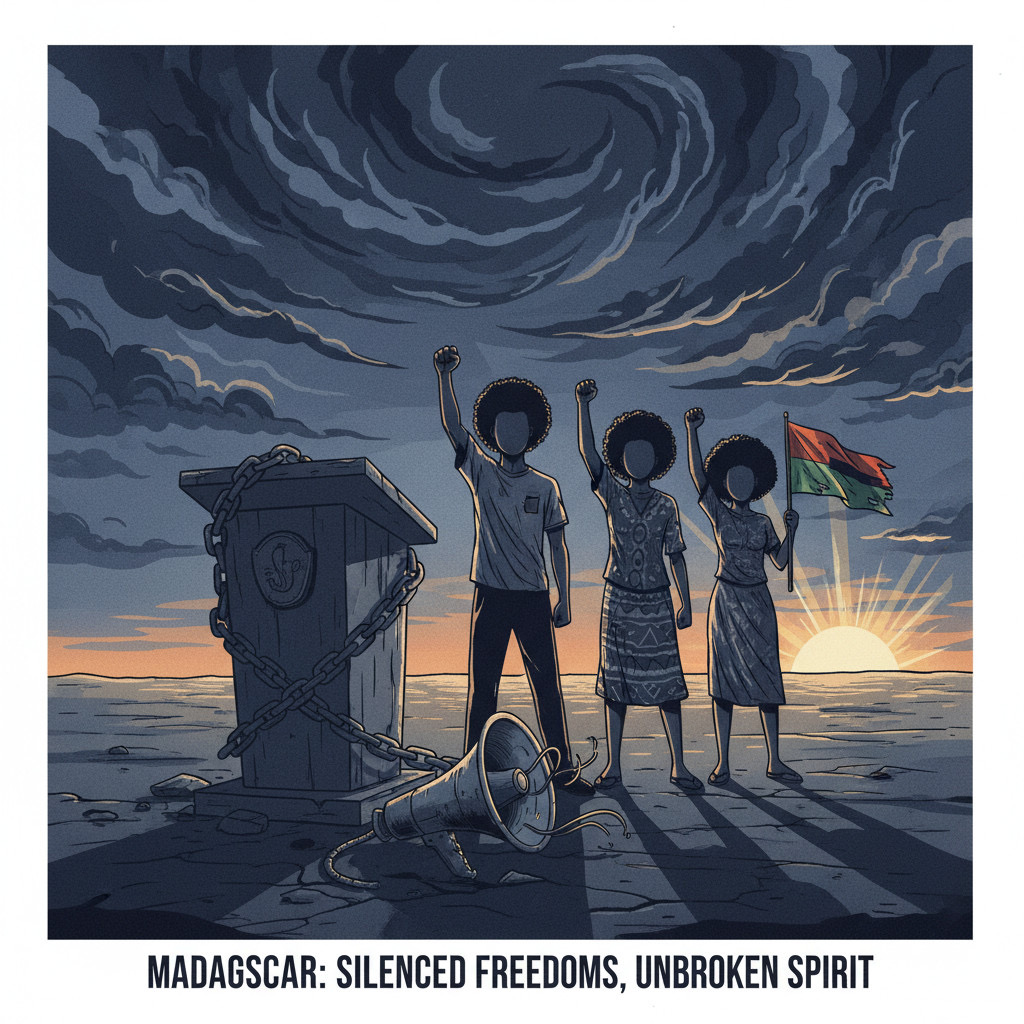
The military coup in October 2025 has had a profound and detrimental impact on civil liberties in Madagascar. Here are some key effects:
1. Increased Repression: The coup led to a significant escalation in state repression, with authorities using broad and vague legal frameworks to target activists, critics, and civil society. Arrests, enforced disappearances, and assaults on protesters became commonplace as the military regime sought to silence dissent.
2. Erosion of Freedom of Assembly and Expression: The junta imposed strict regulations against public gatherings and demonstrations. Many peaceful protests were met with violent responses from security forces, including the use of lethal force, resulting in casualties among protesters.
3. Judicial Harassment: Individuals engaging in political opposition or activism faced legal intimidation. Charges such as "criminal conspiracy" and "threats to national security" were frequently used to unjustly detain those critical of the military regime.
4. Restrictions on Media Freedom: Journalists faced increased censorship and pressure. Reporting critical of the government was met with threats, unlawful detentions, and harassment, stifling press freedoms further.
5. Impunity for Security Forces: The military's actions, including violent crackdowns on protests, often went uninvestigated, leading to a culture of impunity. This diminished accountability and allowed security personnel to act without fear of repercussions.
6. Targeting of Gen Z Activists: Young activists, particularly those associated with the "Gen Z" protest movements, saw targeted repression aimed at quelling their calls for governance reform, better services, and an end to corruption.
7. Stifling of Civil Society: Organisations advocating for human rights and democratic governance faced severe restrictions, with many having to operate underground or cease operations altogether due to fear of repression.
Overall, the coup has transformed Madagascar into an environment where civil liberties are severely curtailed, signalling a shift from aspirations for democratic reforms to evolving authoritarianism and repression.


Comments
Post a Comment