Pressing Issues facing Madagascar- Poverty and Economic Inequality
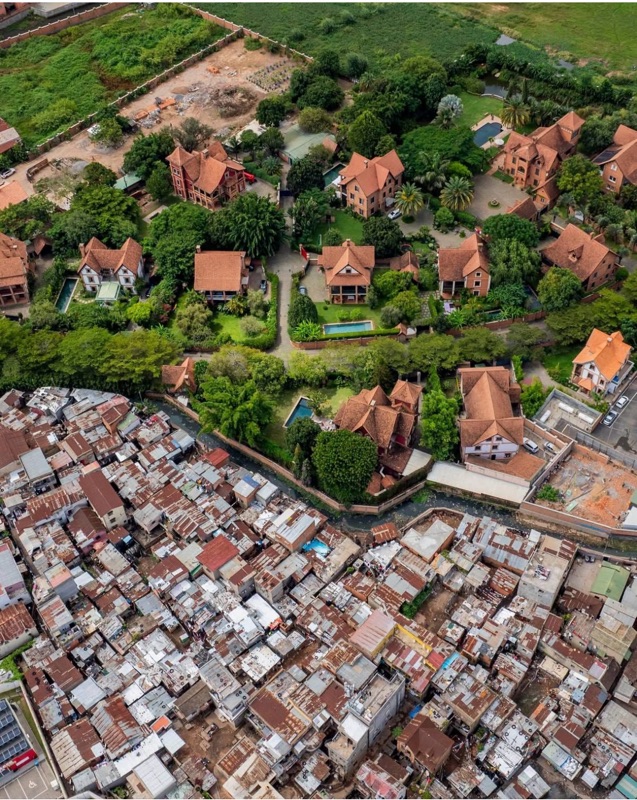
Poverty and Economic Inequality in Madagascar
Current Status
Madagascar faces significant challenges regarding poverty and economic inequality. As of the latest reports:
- Poverty Rate: Approximately 75% of Madagascar's population lives below the national poverty line, with about 93% living on less than $2 per day. This situation has worsened due to the impacts of natural disasters, political instability, and the COVID-19 pandemic.
- Economic Structure: The economy predominantly consists of informal activities, with over 80% of employment in the informal sector, which tends to be unstable and lacks labor protections.
Key Issues
1. Limited Access to Basic Services: Access to quality education and healthcare is restricted, particularly in rural areas. The literacy rate is about 74%, and health care services are often insufficient and poorly funded.
2. Agricultural Dependence: Madagascar's economy is heavily reliant on agriculture, which employs over 70% of the workforce but is vulnerable to climate shocks like cyclones and droughts.
3. Gender Inequality: Women face additional barriers, particularly in accessing education and financial resources, contributing to the cycle of poverty.
Policy Responses
1. Social Safety Nets
Implementing Cash Transfer Programs:
- Objective: Direct cash transfers to vulnerable households could help alleviate immediate poverty. Such programs have been employed successfully in various contexts globally.
- Estimated Cost: A program aimed at targeting 1 million households could require approximately $100 million annually, based on averages of $100 per household per year.
2. Employment Programs
Promoting Job Creation Through Skills Training:
- Objective: Develop vocational training programs tailored to the needs of the local economy, especially in sectors like agriculture and tourism.
- Estimated Cost: Establishing programs for about 100,000 individuals could cost around $15 million annually, including training materials and instructor salaries.
3. Education Access Improvement
Enhancing Educational Infrastructure:
- Objective: Increase investment in school infrastructure, teacher training, and educational materials, particularly in rural areas.
- Estimated Cost: An investment of $50 million over five years could improve facilities and logistics, aiming to increase enrollment and completion at the primary and secondary levels.
4. Health Care Access Expansion
Strengthening Healthcare Systems:
- Objective: Increase the availability of healthcare services through investments in health infrastructure, training healthcare workers, and ensuring the provision of essential medicines.
- Estimated Cost: Allocating $70 million annually over the next several years could provide a framework for building clinics and training healthcare professionals.
5. Microfinance Initiatives
Supporting Small Businesses:
- Objective: Develop microfinance programs to provide small loans to entrepreneurs and farmers, enabling them to start or expand their businesses.
- Estimated Cost: A microfinance initiative aimed at supporting 50,000 beneficiaries could require an initial setup of $10 million for lending capital and administrative costs.
6. Agricultural Support Policies
Investing in Agricultural Resilience:
- Objective: Implement programs that support smallholder farmers through improved access to technology, markets, and climate-resilient practices.
- Estimated Cost: A national agricultural program could cost approximately $40 million annually, targeting seeds, irrigation, and training on best practices.
Cost and Funding Considerations
Achieving these objectives will require substantial investment. Here’s a summary of estimated costs and potential funding sources:
Policy Initiative Estimated AnnualCost
Cash Transfers $100million
Employment Programs $15 million
Education Improvement $10 million
Health Care Access $70 million
Microfinance Initiatives $10 million
Agricultural Support $40 million
Total Annual Cost $345 million
Potential Funding Sources:
- International Aid: Sourcing funds from international development organizations (e.g., World Bank, IMF, and NGOs) focused on poverty alleviation.
- Government Budget Allocations: Shifting priorities within the national budget to emphasize social welfare and development programs.
- Public-Private Partnerships: Engaging private sector investment through collaboration on infrastructure and service delivery.
Monitoring and Evaluation
To ensure the effectiveness of these policies, establishing monitoring and evaluation frameworks is essential for tracking progress and adjusting programs as necessary. Setting clear indicators related to poverty reduction, job creation, and access to services will help measure success.
Conclusion
Addressing poverty and economic inequality in Madagascar requires a multifaceted approach involving direct financial assistance, job creation, education, healthcare, and support for small businesses. A coordinated investment in these areas can lead to significant improvements in the quality of life for Madagascar’s population, contributing to sustainable economic development.


Comments
Post a Comment