Public Health - a pressing issue facing Madagascar - infectious diseases.
This blog looks at the challenges, the prevalent infectious diseases and the statistics supporting the impact on public health of those diseases.
What are the main Public Health Challenges:
 Infectious Diseases: Madagascar is particularly vulnerable to infectious diseases such as malaria, which affects a significant portion of the population. The country also has a history of plague outbreaks, which are linked to environmental conditions and inadequate public health infrastructure.
 Malnutrition: High rates of malnutrition, especially among children, are a major issue. This is often due to food insecurity, lack of education about nutrition, and limited access to healthcare and food resources.
 Healthcare Infrastructure: The healthcare system is underfunded and often lacks necessary resources, trained personnel, and sufficient healthcare facilities. Access to healthcare services in rural areas is particularly limited, exacerbating health issues.
Let us look at infectious diseases in more detail
Infectious diseases pose a substantial public health threat and highlight the need for improved healthcare infrastructure, prevention strategies, and community awareness initiatives.
1. Malaria: This is one of the most significant health concerns in Madagascar, with the disease transmitted through Anopheles mosquitoes. It particularly affects vulnerable groups such as children and pregnant women.
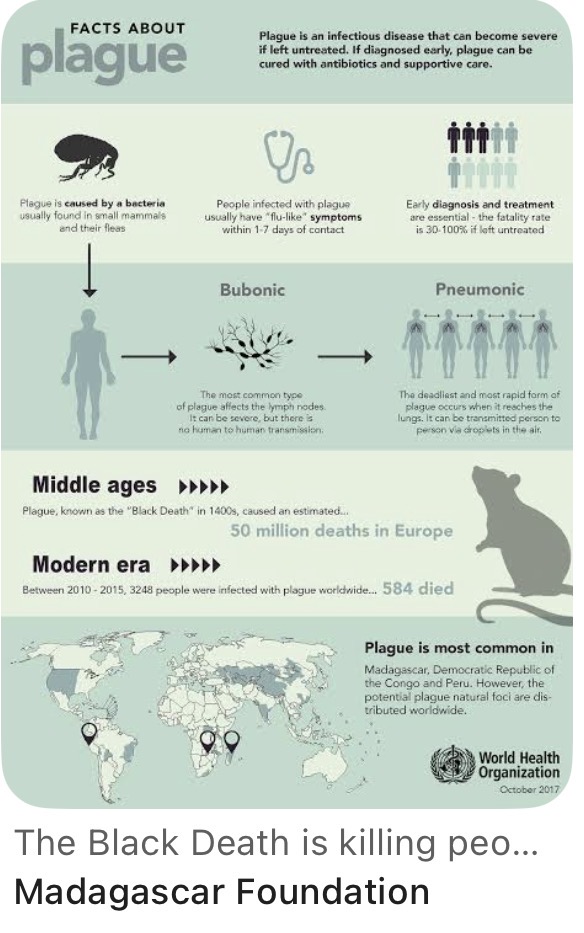
2. Plague: Historically, Madagascar has been endemic for plague, which is caused by the bacterium Yersinia pestis. The country has experienced periodic outbreaks, particularly in rural areas.
3. Dengue Fever: This viral illness, transmitted by Aedes mosquitoes, has been reported in Madagascar, leading to outbreaks that can strain healthcare resources.
4. Acute Respiratory Infections: These are common illness manifestations, particularly among children, contributing to high morbidity rates.
5. HIV/AIDS: While the prevalence is lower than in some other African nations, HIV/AIDS remains a public health challenge, with efforts focused on prevention and treatment.
6. Tuberculosis (TB): Madagascar has a high burden of TB, which is exacerbated by challenges such as poverty and limited access to healthcare.
7. Diarrheal Diseases: Caused by various pathogens, these are frequent in children and can lead to significant morbidity and mortality, particularly in settings with poor sanitation.
Here are some key statistics that illustrate the prevalence and impact of various infectious diseases in the country:
1. Malaria
- Prevalence: Malaria remains one of the leading causes of morbidity and mortality in Madagascar. According to the World Health Organization (WHO), there are approximately 4.5 million reported cases of malaria annually.
- Mortality: The disease is responsible for an estimated 10,000 to 25,000 deaths each year, with children under five being the most vulnerable population.
2. Plague
- Epidemiology: Madagascar has experienced recurrent plague outbreaks, particularly during the plague season (September to April). The country sees about 300 to 600 reported cases annually, according to the Ministry of Public Health.
- Mortality Rate: The fatality rate can reach 15-20% for those infected if not treated promptly.
3. Dengue Fever
- Incidence: Recent years have seen a rise in dengue fever cases, with epidemics occurring almost every year. The Ministry of Health reported approximately 9,000 cases during the peak of outbreaks, with thousands more going unreported.
- Severe Cases: Dengue can lead to severe illness in some patients, contributing to considerable public health challenges.
4. Tuberculosis (TB)
- Prevalence: Madagascar has a high burden of tuberculosis, estimated at 234 cases per 100,000 population, according to the WHO Global Tuberculosis Report (2020).
- Mortality: Tuberculosis is among the top 10 causes of death in the country, with around 4,000 deaths attributed to TB annually.
5. HIV/AIDS
- Prevalence: The prevalence of HIV/AIDS in Madagascar is estimated at about 0.2% among the general population, according to UNAIDS.
- Impact on Women: Women are disproportionately affected, with higher rates of new infections among young women.
6. Acute Respiratory Infections
- Leading Cause of Mortality: Acute respiratory infections are a significant cause of morbidity and mortality, particularly in children under five. Estimates suggest they account for approximately 15% of childhood deaths.
7. Diarrheal Diseases
- Burden of Disease: Diarrheal diseases remain a leading cause of morbidity among children in Madagascar, contributing to around 10% of total childhood deaths annually.
- Water and Sanitation: Poor access to clean water and sanitation facilities exacerbates the prevalence of such diseases.
8. Data on Healthcare Responses
- Vaccination Coverage: Despite challenges, vaccination programs have been successful in reducing the incidence of certain infectious diseases. For example, the measles vaccination coverage has reached about 90%, contributing to a decline in measles cases.
- Surveillance and Control Measures: Madagascar has made efforts to improve disease surveillance and response systems, though challenges remain in achieving timely interventions.
Conclusion
Infectious diseases are a substantial public health challenge in Madagascar, significantly impacting morbidity and mortality rates. The statistics illustrate the need for enhanced healthcare infrastructure, effective disease prevention strategies, and improved public health initiatives to address the burden of infectious diseases in the country.


Comments
Post a Comment