Public Health - A pressing issue facing Madagascar- Malnutrition
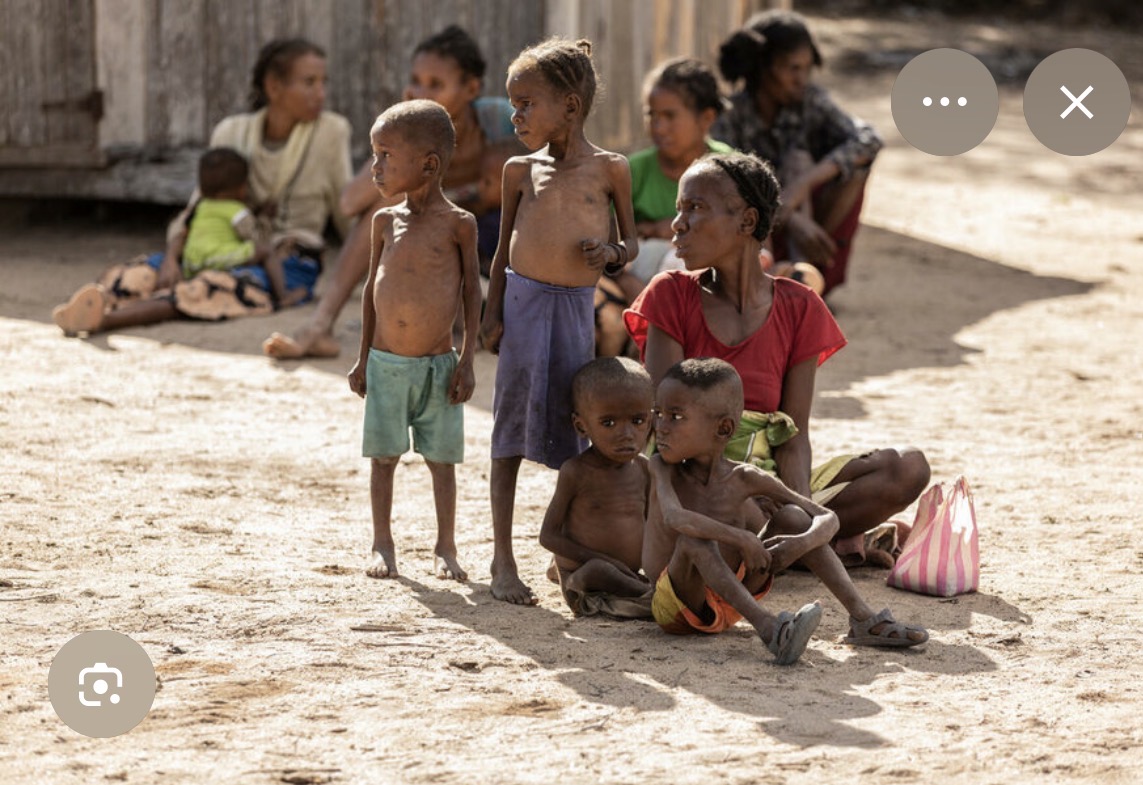 Malnutrition remains a critical public health issue in Madagascar. Here are some key statistics that illustrate the extent of malnutrition in the country:
1. General Malnutrition Rates
- Prevalence of Malnutrition: According to the Global Nutrition Report (2021), about 37% of children under five years of age in Madagascar are stunted due to chronic malnutrition. This is significantly higher than the global average of around 22%.
- Wasting Rates: Approximately 6% of children under five are classified as wasted, meaning they have a low weight for their height, indicating acute malnutrition. This figure is alarming as the threshold for a serious public health situation is 5%.
2. Child Malnutrition
- Stunting: The Demographic and Health Survey (DHS) conducted in 2018 reported that 44% of children under five are stunted, reflecting long-term nutritional deficiencies.
- Underweight Children: The same survey indicated that approximately 25% of children under five are underweight. This reflects a combination of acute malnutrition and inadequate dietary intake.
3. Maternal Malnutrition
- Anaemia Among Women: The prevalence of anaemia among women of reproductive age (15-49 years) is around 42%, which is predominantly due to poor nutrition, deficiencies in essential vitamins and minerals, and other health factors.
4. Impact of Malnutrition
- Health Outcomes: Malnutrition contributes to high rates of infant and maternal mortality in Madagascar. It is estimated that malnutrition is responsible for around 45% of child deaths under the age of five.
- Economic Impact: The World Bank estimates that malnutrition costs Madagascar approximately $3 billion annually due to lost productivity and increased healthcare costs.
5. Food Insecurity
- Food Insecurity Rates: According to the World Food Programme (WFP), about 30% of the population faces moderate to severe food insecurity, exacerbated by factors such as climate change, political instability, and economic challenges.
- Rural vs. Urban Disparities: Food insecurity is more pronounced in rural areas, where access to food is often limited and agricultural productivity can be inconsistent due to environmental factors.
6. Nutritional Interventions
- Supplementation Programs: Various programs aimed at addressing malnutrition, including vitamin A supplementation, have reached approximately 80% of children in Madagascar, yet challenges remain in achieving widespread and consistent access to nutritious foods.
Malnutrition in Madagascar is a multifaceted issue with profound implications for child health, economic productivity, and overall public health.
Addressing malnutrition in Madagascar requires an approach that tackles the underlying causes and implements effective policy changes. Here are several critical policy changes and strategies that could be adopted:
1. Strengthening Agricultural Productivity: Invest in improving agricultural techniques and practices to increase the availability of nutritious foods. This includes promoting sustainable farming, supporting local farmers, and ensuring access to essential agricultural inputs.
2. Food Fortification and Nutritional Programs: Implement food fortification programs to increase the nutrient content of staple foods. This can be supplemented by community-based nutrition programs that educate families on the importance of diverse diets rich in vitamins and minerals.
3. Enhancing Healthcare Access: Improve access to healthcare services, particularly maternal and child health services. This includes training healthcare workers in nutrition education and ensuring that all children receive regular growth monitoring and nutrition counseling.
4. Improving Water, Sanitation, and Hygiene (WASH): Addressing malnutrition requires tackling issues related to water and sanitation. Clean drinking water and proper sanitation facilities can help prevent waterborne diseases, which are significant contributors to malnutrition.
5. Social Protection Programs: Establish or enhance social safety nets to provide financial assistance to the most vulnerable populations. Conditional cash transfer programs can incentivize families to invest in healthcare and nutrition for their children.
6. Education and Awareness Campaigns: Implement national campaigns to raise awareness about nutrition, healthy eating practices, and the importance of child development. Education initiatives targeting both parents and children can foster a culture of health and nutrition.
7. Nutrition Monitoring Systems: Create robust monitoring and evaluation systems to track malnutrition rates and the effectiveness of interventions. Data-driven insights can guide policy adjustments and resource allocation.
This is my guess at the costs of the above.
Estimating the precise costs of proposed policy changes to address malnutrition in Madagascar involves several variables, including implementation specifics, scale, and duration of programs. However, I can provide a general overview of potential cost categories and factors that would influence the overall expenditure:
1. Agricultural Support: Costs could include investments in training programs for farmers, subsidies for seeds and fertilizers, and infrastructure for irrigation. Estimates might range from several million to tens of millions of USD annually.
2. Food Fortification and Nutritional Programs: Establishing food fortification initiatives and nutrition education campaigns could require funding in the range of $5 million to $20 million per year, depending on the scale and depth of the programs.
3. Healthcare Access Improvement: Enhancing healthcare services may involve costs for training healthcare personnel, building infrastructure, and providing necessary medical supplies. This could amount to $10 million to $30 million annually.
4. WASH Improvements: Investing in water, sanitation, and hygiene improvements—such as constructing clean water facilities and sanitation systems—might require a budget of $20 million to $50 million, depending on the scale of implementation.
5. Social Protection Programs: Establishing safety net programs, such as cash transfers or food assistance, could be costly, potentially ranging from $30 million to $100 million annually, depending on the coverage and benefits.
6. Education and Awareness Campaigns: Marketing and educational initiatives might require an investment of $2 million to $10 million per year, depending on the extent of reach and media utilized.
7. Monitoring and Evaluation Systems: Developing robust systems for tracking malnutrition and program effectiveness could require an initial investment of $1 million to $5 million.
Overall Estimates: Aggregating these costs indicates that comprehensive policy changes to tackle malnutrition in Madagascar might range from approximately $80 million to over $300 million annually, depending on the scope and effectiveness of the interventions implemented.
Madagascar's GDP is approximately $16-17 billion USD (based on recent economic data), making the estimated $80 million to $300 million annual cost for proposed anti-malnutrition policy changes equivalent to 0.5% to 1.8% of GDP.
This range accounts for variability in program scale:
- Lower end ($80M): ~0.5% of GDP, covering basic interventions like targeted nutrition education and small-scale agricultural support.
- Higher end ($300M): ~1.8% of GDP, for comprehensive nationwide efforts including infrastructure and social safety nets.
For context, the economic cost of child malnutrition itself is estimated at up to 14.5% of GDP due to health and productivity losses, suggesting these investments could yield substantial returns. Actual costs would require detailed budgeting tailored to local conditions and funding sources like ODA for nutrition (which has been a small fraction of total aid).


Comments
Post a Comment