Public Health- a pressing issue facing Madagascar- Health workers and the need to increase salaries.
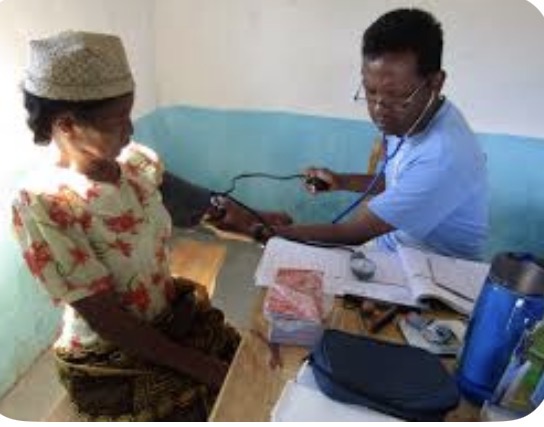
Salaries in Madagascar's health sector can vary significantly based on the type of healthcare worker, their level of training and experience, and the geographic location (urban vs. rural). Here are some typical salary ranges for various positions in the health sector:
1. Doctors
- General Practitioners (GPs): Salaries typically range from $300 to $600 per month, depending on experience and location.
- Specialists: Specialists such as surgeons, anaesthetists, or paediatricians may earn between $800 and $1,500 per month, though this can vary widely.
2. Nurses
- Registered Nurses: Salaries usually range from $200 to $400 per month. Higher qualifications, such as a bachelor's degree or additional certifications, can lead to higher earnings.
- Nurse Practitioners: Those with advanced training and responsibilities may earn between $500 and $800 per month.
3. Community Health Workers
- Health Workers: Community health workers, who often play crucial roles in rural healthcare delivery, may earn between $100 and $300 per month, depending on training and the organization they work for.
4. Pharmacists
- Pharmacists: Salaries range from $400 to $700 per month, influenced by experience and the type of pharmacy (public vs. private).
5. Administrative and Support Staff
- Health Administrative Staff: Salaries for administrative roles vary widely, generally ranging from $200 to $500 per month based on their position and responsibilities.
- Support Staff (e.g., janitors, clerks): Typically earn between $100 and $200 per month.
Challenges with Salaries
- Low Compensation: Compared to the high demands placed on healthcare professionals and the cost of living, these salaries are considered low, contributing to dissatisfaction and a reluctance among professionals to remain in the public sector.
- Urban vs. Rural Discrepancies: Salaries can be significantly lower in rural areas than in urban centers, further exacerbating the workforce imbalance.
Overall Context
The salaries in Madagascar's health sector illustrate the financial challenges facing health workers. To retain and encourage professionals in this field, there is a pressing need for salary increases and improved working conditions. The disparities in pay and working environments, particularly between rural and urban settings, also highlight the necessity for targeted policies to promote equitable healthcare access across the country. However salary increases alone will not address the issue.
Madagascar's government health spending represents only 1% of GDP, with the sector clearly underfunded and understaffed. The region faces projected shortfalls of 1.4 million health workers by 2030.
Salary increases alone are insufficient without addressing workload sustainability and non-financial incentives like training, supervision, and advancement opportunities.
The above salary data for healthcare professionals in Madagascar comes from a combination of sources, including:
1. World Health Organization (WHO): WHO provides reports and surveys on global health workforce statistics, including employment conditions, salary comparisons, and workforce shortages in various countries, including Madagascar.
2. International Labour Organization (ILO): ILO conducts studies on employment conditions and compensation in the healthcare sector across different countries, offering insights into prevailing wages and labor market conditions.
3. Non-Governmental Organizations (NGOs): Organizations such as Médecins Sans Frontières (MSF) and local NGOs often publish reports that include information on healthcare staffing, wages, and the challenges faced by healthcare workers in Madagascar.
4. Government Reports: National health ministry publications and budget reports may specify salary scales for various healthcare positions, reflecting government policy and financial allocations for the health sector.
5. Local Research Studies: Academic studies and research conducted by universities or health-focused institutions may provide data on healthcare worker salaries based on surveys and field research in Madagascar.
6. Media Reports: Articles in local and international media often highlight the challenges faced by healthcare professionals, including discussions about salaries and working conditions in Madagascar's health sector.


Comments
Post a Comment