State of Emergency - Fuel Crisis
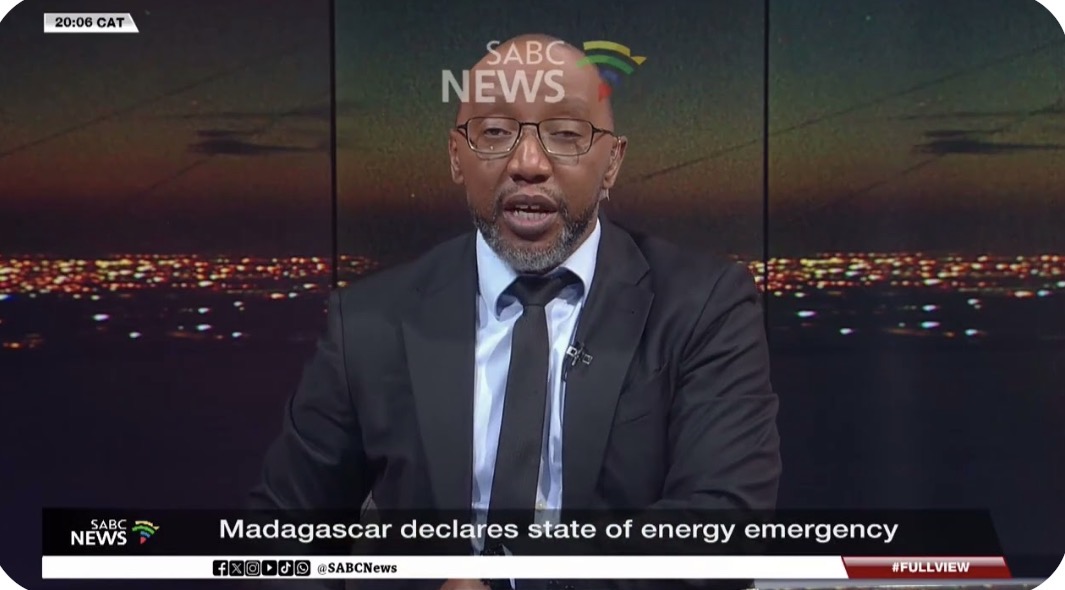
 Madagascar declared a nationwide state of energy emergency for 15 days due to severe fuel supply disruptions caused by the ongoing Middle East conflict involving Iran.
Context and Causes
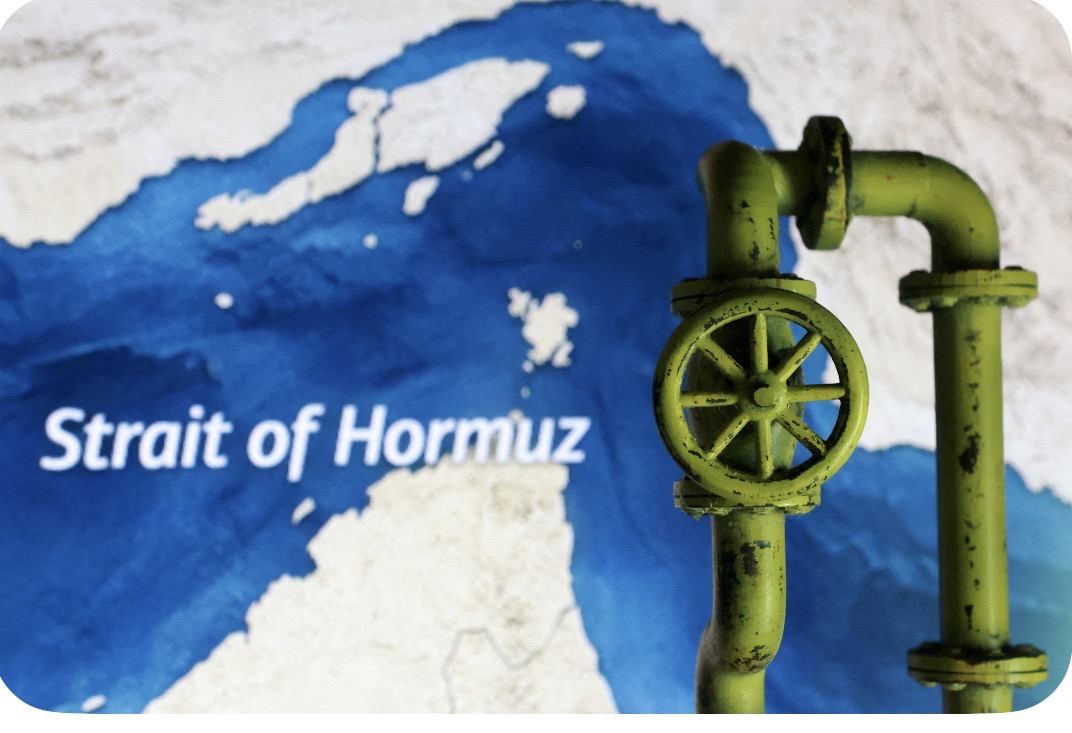
The crisis stems from global energy market disruptions triggered by the Iran war, which have driven oil prices higher and created widespread fuel shortages across the island nation.The cabinet statement noted that authorities observed "a deepening energy crisis affecting the entire island, threatening the stability of essential services."
Emergency Measures and Powers
The emergency declaration grants authorities the ability to implement exceptional and urgent measures to restore fuel availability and maintain public service continuity. Officials indicated the temporary measure is intended to stabilize the situation while longer-term solutions are explored.
During the energy emergency in Madagascar, authorities are permitted to implement various exceptional measures to address the fuel supply crisis and stabilize the situation. These measures may include:
1. Price Controls: Authorities may set price limits on fuel to prevent excessive price hikes and ensure affordability for consumers.
2. Rationing Fuel Supplies: Implementing a rationing system to manage the distribution of available fuel, ensuring that critical services and essential goods have access.
3. Expedited Procurement: Facilitating faster procurement of fuel and energy resources to alleviate shortages and restore normal supply levels.
4. Emergency Response Teams: Establishing teams to monitor the situation, respond to disruptions, and ensure essential services continue operating.
5. Public Awareness Campaigns: Informing citizens about energy conservation practices and encouraging reduced consumption during the crisis.
6. Cooperation with Foreign Governments: Seeking assistance and collaboration from other nations or organizations to secure fuel supplies or technical support.
7. Infrastructure Maintenance: Prioritizing maintenance and repairs of energy infrastructure to prevent additional failures during the emergency.
8. Adjusting Regulatory Frameworks: Temporarily relaxing certain regulations to facilitate quicker responses and actions by energy companies and providers.
These measures are aimed at restoring fuel availability, maintaining public order, and ensuring essential services continue despite the ongoing challenges posed by the energy crisis.
Regional Impact
Madagascar is not alone in facing these challenges. Several African governments have responded to surging global oil prices with various strategies:
- Sharp fuel price increases
- Energy-saving measures
- Electricity rationing
- Tax suspensions on fuel imports
Neighboring countries have taken specific action—Zambia suspended VAT and excise duty on fuel imports for three months starting April 1, while Botswana suspended road and fuel levies for six months.


Comments
Post a Comment