Disability: A Critical Issue in Madagascar
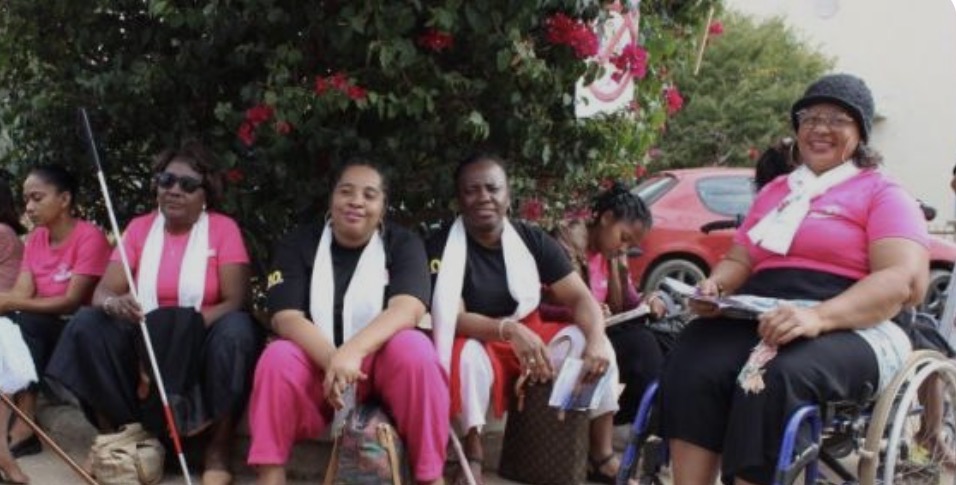 I met a young lady who had written an excellent document “ Disabled, Source of Happiness”. It focuses on job creation for disabled women and a project to empower women through training in sewing. This got me thinking about the broader subject of disability
Disability is a significant yet often overlooked issue in Madagascar, affecting millions of individuals and their families across the nation. Despite the progress made in recent years, the challenges faced by people with disabilities remain profound and multifaceted. In this blog post, we will explore the current situation regarding disability in Madagascar, the barriers faced by individuals, and the importance of building a more inclusive society.
The Current Landscape
Madagascar is home to a diverse population, with an estimated 1.5 million people living with disabilities, which represents approximately 5% of the total population. These individuals often encounter numerous obstacles that hinder their ability to participate fully in society.
Despite the existence of laws aimed at protecting the rights of disabled individuals, many still face discrimination, stigma, and limited access to essential services such as education, healthcare, and employment. According to the World Health Organization, around 80% of disabled individuals in Madagascar live in rural areas, where resources and services are even scarcer. The economic and social barriers contribute to a cycle of poverty that disproportionately affects people with disabilities and their families.
Barriers to Inclusion
1. Limited Accessibility: Many public spaces, schools, and workplaces in Madagascar are not designed to accommodate individuals with disabilities. Physical barriers, such as the lack of ramps, accessible restrooms, and transportation options, prevent disabled individuals from accessing essential services and participating in daily activities.
2. Social Stigma and Discrimination: Cultural perceptions of disability can lead to discrimination and exclusion. People with disabilities often face negative stereotypes, which can impact their self-esteem and limit their opportunities for social interaction and employment. A study found that over 60% of people with disabilities reported experiencing discrimination in their communities.
3. Inadequate Healthcare Services: Access to healthcare is crucial for individuals with disabilities, but many face challenges in receiving appropriate medical treatment and rehabilitation. Limited healthcare infrastructure and resources can lead to inadequate support for their specific needs. According to the United Nations, only about 30% of individuals with disabilities in Madagascar have access to necessary healthcare services.
4. Lack of Education Opportunities: Education is a fundamental right, yet many children with disabilities are denied access to quality education. Inclusive education programs are scarce, and families may be reluctant to send their disabled children to school due to stigma or a lack of suitable facilities. Statistics indicate that only 5% of children with disabilities in Madagascar are enrolled in formal education.
The Path Forward
To address these critical issues, Madagascar must prioritize the rights and needs of disabled individuals. Here are several steps that can be taken to foster a more inclusive society:
1. Strengthening Legislation: Madagascar needs to develop and enforce comprehensive laws that protect the rights of individuals with disabilities. These laws should explicitly prohibit discrimination and outline the responsibilities of employers and service providers to create accessible environments.
2. Public Awareness Campaigns: Educating the public about disability rights and the contributions of disabled individuals is essential to combat stigma and discrimination. Awareness campaigns can help change perceptions and promote a culture of inclusion and acceptance.
3. Improving Accessibility: Investments in infrastructure are necessary to ensure that public spaces, transportation, and services are accessible to all. This includes building ramps, accessible restrooms, and providing transportation options that accommodate individuals with disabilities.
4. Enhancing Education Opportunities: Developing inclusive education programs and training teachers on how to support students with disabilities is vital. By creating an environment where all children can learn together, we can foster understanding and empathy from a young age.
5. Collaboration with NGOs and International Organizations: Partnering with non-governmental organizations and international bodies can provide valuable resources and expertise in implementing effective disability policies and programs.
Conclusion
Disability is a critical issue in Madagascar that requires urgent attention and action. By addressing the barriers faced by individuals with disabilities and promoting a culture of inclusion, Madagascar can create a society where everyone has the opportunity to thrive. It is essential that government, communities, and individuals—work together to ensure that no one is left behind in the pursuit of equality and dignity for all.


Comments
Post a Comment