Madagascar and China
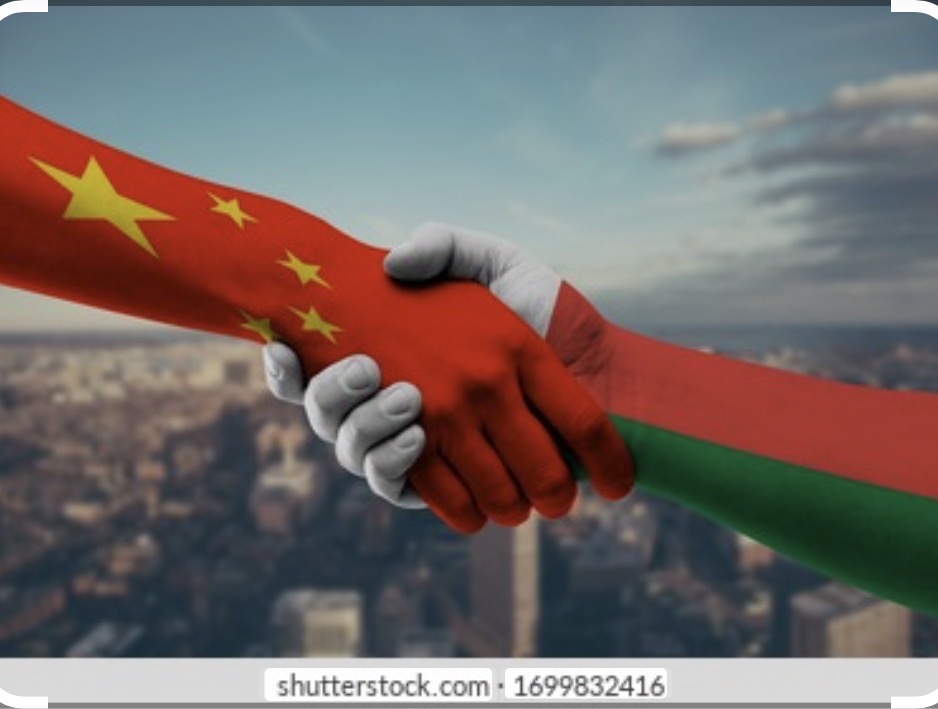 China and Madagascar share a comprehensive Strategic Cooperative Partnership, with China serving as Madagascar's largest trading partner and biggest source of imports.Bilateral ties span major infrastructure development, agricultural assistance—such as Chinese hybrid rice farming—and significant mining and water access projects across the island.China and Madagascar share a comprehensive Strategic Cooperative Partnership, with China serving as Madagascar's largest trading partner and biggest source of imports.China is Madagascar's primary source of imports, providing machinery, electronic equipment, fabrics, and vehicles. In return, Madagascar primarily exports primary resources to China, including minerals like graphite, micas, and nickel, as well as aquatic products. To promote balanced trade, Madagascar was named a founding partner of the International Mangrove Centre in Shenzhen and benefits from preferential zero-tariff treatments for its exports to the Chinese market, such as vanilla.Infrastructure and Development AidSince establishing diplomatic relations in 1972, China has provided technical and financial assistance for numerous major public works in Madagascar. Key projects in and around Antananarivo include:
- Construction of the Anosiala Hospital.
- The International Conference Center at Ivato.
- The Sports and Cultural Palace (Palais des Sports et de la Culture) in Mahamasina.
- Various road constructions and local infrastructure improvements.
Chinese firms are also heavily involved in upgrading Madagascar's utility infrastructure, such as the drinking water improvement programs (PAAEP) in Greater Antananarivo and ongoing rehabilitation of the local power grid.Agriculture and Food SecurityBilateral ties span major infrastructure development, agricultural assistance—such as Chinese hybrid rice farming—and significant mining and water access projects across the island.One of the most significant areas of cooperation between the two nations is food security. Through agricultural technology transfers, Chinese experts have introduced hybrid rice varieties tailored to Madagascar's climate. These varieties have yielded two to three times more than local crops, covering tens of thousands of hectares and substantially aiding Madagascar's efforts to combat hunger and empower rural communities.


Comments
Post a Comment