Madagascar and the parallels with the Sahel
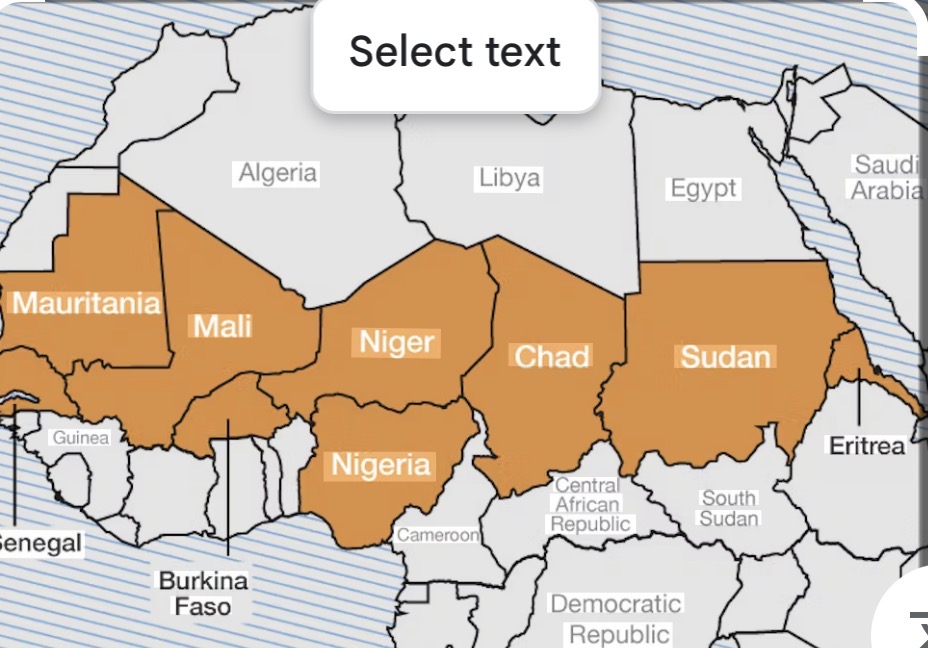 Madagascar is not experiencing the same security threats as the Sahel, the interconnected issues of governance, economic challenges, and environmental stresses highlight some parallel trends. Both regions are navigating complex socio-political landscapes that require holistic approaches to resilience and development.
The Sahel region, which spans several countries in North and West Africa, is currently experiencing significant political, economic, and social changes. Here are some major trends affecting the Sahel:
1. Increased Instability and Armed Conflict: The Sahel has seen a rise in violence, often attributed to jihadi groups and local militias. Countries like Mali, Burkina Faso, and Niger are facing escalating attacks, leading to a deteriorating security situation and increased military presence.
2. Military Coups and Regime Changes: Several countries in the Sahel have experienced military coups in recent years, often justified by the need to address security threats from extremist groups. These coups have led to shifts in governance, with some regimes aligning more closely with Russia for military support.
3. Foreign Intervention and Geopolitical Dynamics: The involvement of foreign powers, particularly France and Russia, is a critical aspect of the Sahel's political landscape. France has traditionally had a strong military presence in the region, but anti-French sentiment is growing, prompting some countries to seek assistance from Russia.
4. Climate Change and Environmental Challenges: The Sahel faces significant environmental challenges, including desertification, drought, and food insecurity. These issues exacerbate existing social tensions and contribute to displacement and migration.
5. Humanitarian Crises: The region is grappling with multiple humanitarian crises, largely due to conflict and climate change. Millions are in need of assistance, facing food shortages, lack of access to basic services, and displacement from their homes.
6. Youth Activism and Protests: Younger populations in the Sahel are increasingly vocal against government failures to provide security and economic opportunities. Youth-led protests are common, with demands focused on development and addressing corruption.
7. Migration Trends: The Sahel is a critical transit route for migrants heading to Europe. Economic instability, violence, and climate impacts drive many to seek better opportunities abroad, leading to complex migration dynamics.
8. Economic Challenges: The regional economy is heavily impacted by insecurity and climate-related issues. Poverty rates remain high, and many countries struggle with governance challenges, limiting economic development and recovery efforts.
9. Local Resilience Initiatives: In response to the myriad challenges, local communities are implementing resilience strategies to cope with climate change, improve food security, and enhance social cohesion.
10. International Aid and Intervention: Increasing international focus on the Sahel has led to new aid initiatives, but effectiveness remains questioned due to governance challenges and local perceptions of foreign intervention. The future of foreign support in the region will depend on addressing local concerns and ensuring sustainable development.
These trends underscore the complexities facing the Sahel, where security, governance, environmental issues, and socio-economic conditions are deeply interconnected.


Comments
Post a Comment