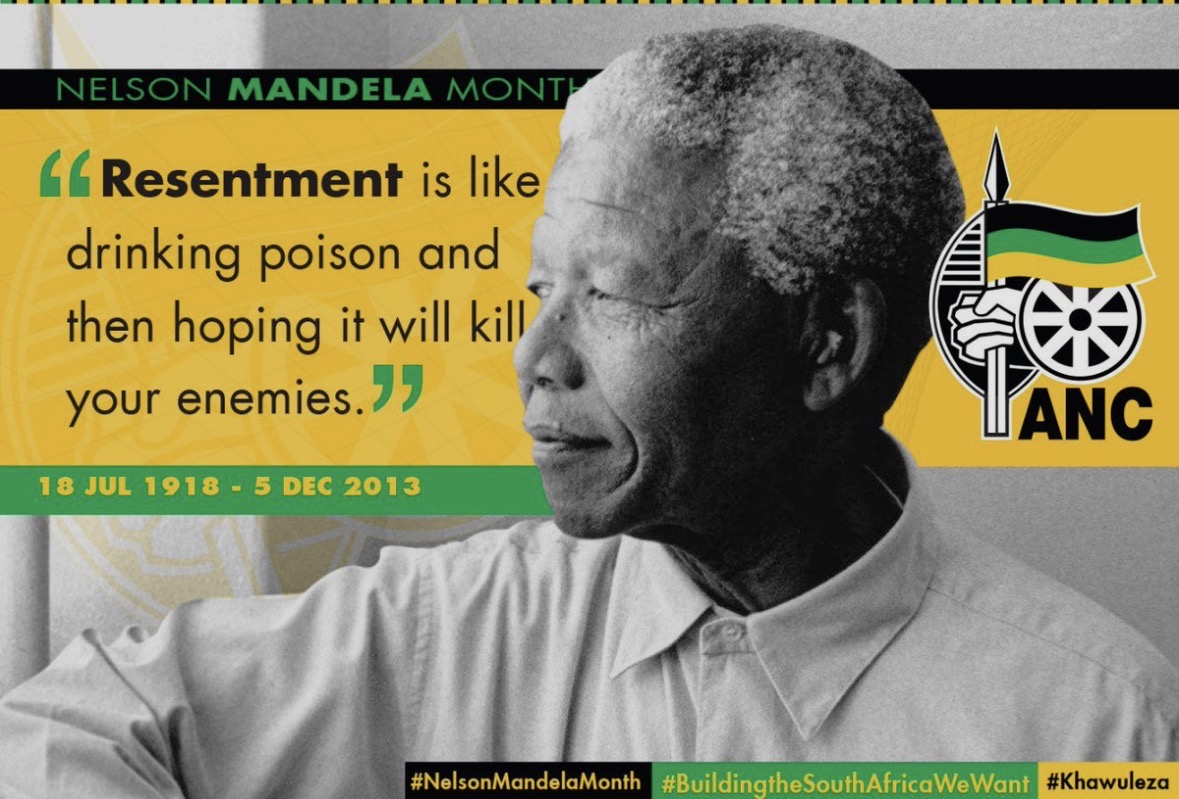
National Resentment
I always count myself as being lucky, born in Guernsey ( although occupied in Second World War 2), reasonably well educated and successful. I decide to retire to Madagascar to make a small contribution and advocate for change.
I have not been adversely affected by historical events or traumatised by such events. This cannot be said by millions around the world.
I don’t harbour any resentment.However for many a round the world that is not the case. So why does national resentment persist and in later blogs we look in more detail in particular at the colonial, imperial and empire builders.
National resentment can persist over time for several reasons, making it challenging to heal. Here are some key factors:
1. Historical Grievances: Events such as wars, colonization, and discrimination can leave deep scars. These grievances are often passed down through generations, creating a lasting impact on national identity and collective memory.
2. Identity and Nationalism: When national identity is closely tied to past injustices, it can lead to a sense of victimhood. This identity can be reinforced by political rhetoric, education systems, and cultural narratives that emphasize historical injustices.
3. Lack of Reconciliation Efforts: In the absence of meaningful dialogue, acknowledgment, and reparations, feelings of resentment can fester. Efforts to reconcile differences can be viewed as insincere or inadequate, prolonging grievances.
4. Political Manipulation: Leaders may exploit national resentment for political gain, using it to rally support or distract from domestic issues. This can perpetuate divisions and hinder healing processes.
5. Socioeconomic Disparities: Ongoing social and economic inequalities can exacerbate feelings of resentment. If marginalized groups continue to feel disenfranchised, it reinforces a narrative of ongoing injustice.
6. Isolation and Segregation: Societies that are divided along ethnic, racial, or cultural lines may develop echo chambers, where individuals only hear perspectives that reinforce their grievances, making it harder for different groups to empathize with one another.
7. Psychological Factors: Psychological factors such as trauma and collective memory influence how groups perceive one another. Unresolved trauma can lead to a cycle of blame and retaliation, prolonging resentment.
I will take a look in future blogs at the super powers past and present and Madagascar.


Comments
Post a Comment