Russian Resentment
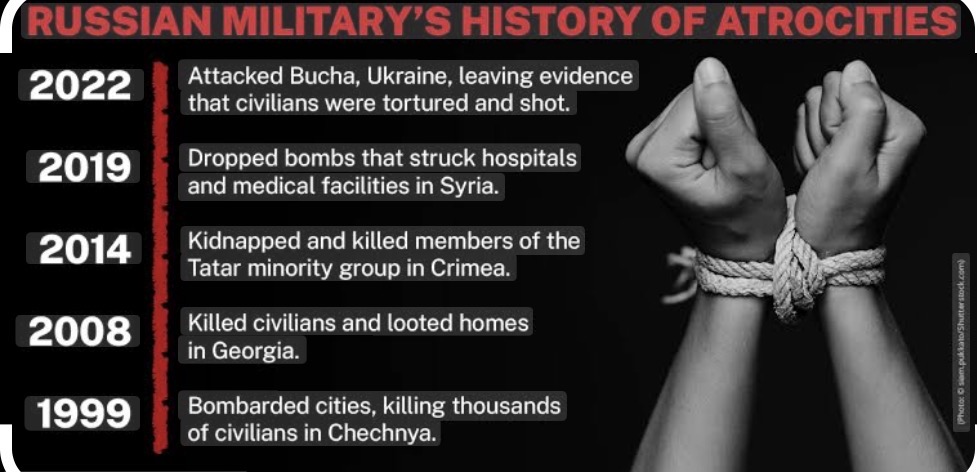 Resentment towards Russia has been a growing sentiment in various regions over the past decades due to several critical factors:
1. Military Aggression: Russia's military actions, have generated widespread condemnation. These actions are often viewed as violations of international law and sovereignty, leading to significant resentment among affected nations and their populations.
2. Human Rights Violations: Reports of human rights abuses, including extrajudicial killings, torture, and suppression of dissent, have contributed to negative perceptions of Russia. The treatment of political opponents, journalists, and activists both domestically and in occupied territories fuels distrust and anger.
3. Interference in Domestic Affairs: Allegations of Russian interference in the electoral processes of various countries, particularly in Western democracies, have intensified feelings of animosity. The perceived attempts to destabilize governments and manipulate political outcomes have raised concerns about sovereignty and national integrity.
4. Cultural and Historical Tensions: In regions previously under Soviet influence or control, such as the Baltic states and Eastern Europe, there are historical grievances related to past occupations and ethnic tensions. These historical contexts can exacerbate current resentments towards Russia.
5. Propaganda and Misinformation: The Russian government's use of state-controlled media to disseminate propaganda and misinformation has further fueled divisions and distrust, particularly in Europe and the West. This creates an environment where people perceive Russia as a threat to democratic values.
6. Economic Sanctions and Isolation: In response to aggressive actions, many countries have imposed sanctions on Russia, which has led to economic hardship for Russian citizens. This isolation can foster resentment, both within Russia and among neighboring countries that view Russia's actions as reckless.
7. National Identity and Unity: In countries directly affected by Russian aggression or influence, a shared sense of national identity often strengthens in reaction to perceived threats. This unity can lead to a stronger collective resentment against Russia.


Comments
Post a Comment