Navigating the Challenges: Wages and Reforms in Madagascar's Economy. Part Fifteen - Property Tax Reform
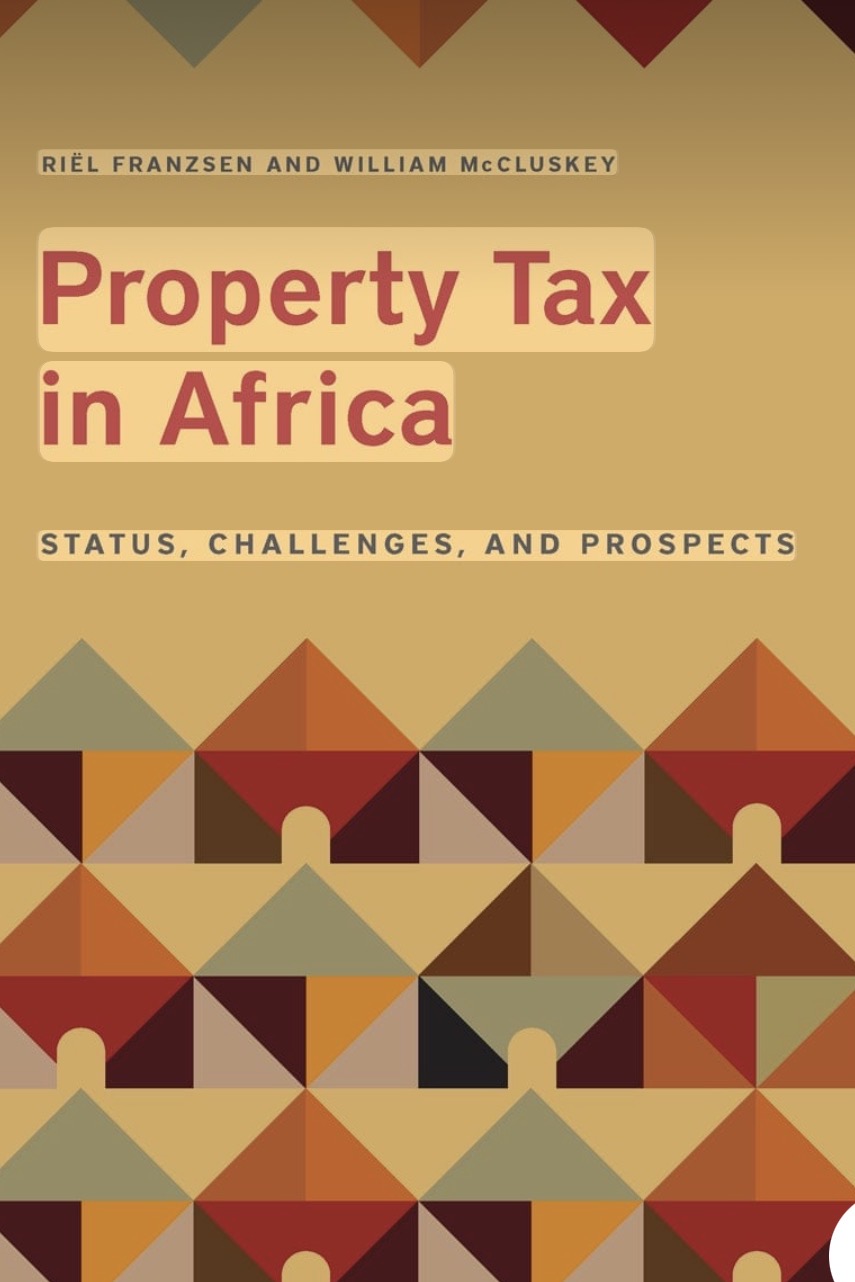
Property tax in Madagascar consists of the land tax (IFT) and the property tax on built properties (IFPB).
The IFT represents 1% of the market value of the bare land.
The property tax (IFPB) varies between 5% and 10% of the cadastral rental value of the building, with a specific calculation for owner-occupied residences, where the taxable base is estimated at the rental value level.
The property tax collection rate remains very low. In some cases, only 0.01% of taxpayers actually pay it, demonstrating that this tool is underutilised as a lever for local finances.
To enhance property tax revenue in Madagascar, several reforms could be considered:
1. Regular Assessments: Implementing regular property assessments to ensure that property values reflect current market conditions. This can help identify properties that are under-taxed.
2. Expanding the Tax Base: Including more properties in the tax system, such as informal and unregistered properties, could increase the number of taxable properties.
3. Simplifying Tax Compliance: Streamlining the property tax filing process can encourage compliance from property owners, especially small landlords.
4. Increased Rates on High-Value Properties: Introducing higher tax rates for luxury properties or second homes can generate additional revenue while being equitable.
5. Improving Collection Mechanisms: Strengthening the collection process to reduce tax evasion. This can involve better training for tax officials and using technology for tracking property ownership and tax payments.
6. Public Awareness Campaigns: Educating property owners about their tax obligations and the benefits of paying property taxes can lead to higher compliance rates.
7. Incentives for Compliance: Providing incentives or discounts for early payment of property taxes can encourage timely remittance.
Calculations and estimates suggest that have these reforms were effectively implemented, Madagascar could see a significant boost in property tax revenues, potentially by 20-40% over time, depending on the extent of compliance and enforcement. The exact amount would vary based on the current property market and tax rates but could range into the millions of dollars annually, significantly aiding government revenue.
Let us play with some figures to illustrate.
1. Tax Structure and Rates
- Land Tax: Typically around 1% of the assessed land value.
- Built Property Tax: Generally between 5% and 10% of the rental value of buildings.
2. Collection Efficiency
- Property tax collection is often below potential, with estimates suggesting that compliance rates could be as low as 20%-40% in many municipalities.
3. Estimated Tax Base
- If we assume a hypothetical total value of taxable properties (land and buildings), we can estimate potential revenue.
- For instance, if the total assessed property value across Madagascar is approximately $10 billion, then:
- Land Tax Revenue: 1% of $10 billion = $100 million.
- Built Property Tax Revenue: Assuming a conservative rental value of 5% of the property value, it would yield approximately $500 million from buildings.
4. Projected Revenue from Current Collection
- If collection efficiency is around 30% for a combined potential revenue of $600 million (from both land and built property taxes), the actual revenue collected might be approximately $180 million annually.
5. Reforms and Potential Increases
- Implementing the suggested reforms could significantly improve revenue:
- Regular Assessments: Ensuring properties are assessed accurately could increase the tax base.
- Broadening the Tax Base: Including more properties could add millions to the total.
- Improving Compliance: Aiming for a 50% compliance rate could double current revenues.
Conclusion
Currently, Madagascar's property tax revenue is likely in the range of $100 million to $180 million annually, depending on compliance and assessment practices. By implementing the proposed reforms and improving efficiency, the government could potentially raise significantly more, possibly exceeding $300 million or more in the coming years, depending on the success of those reforms.
This analysis provides a basis for understanding the potential of property taxes in Madagascar and highlights the importance of reforming the tax system to maximize revenue for public services and development.


Comments
Post a Comment