Navigating the Challenges: Wages and Reforms in Madagascar's Economy. Part Thirteen - Summary of next steps.
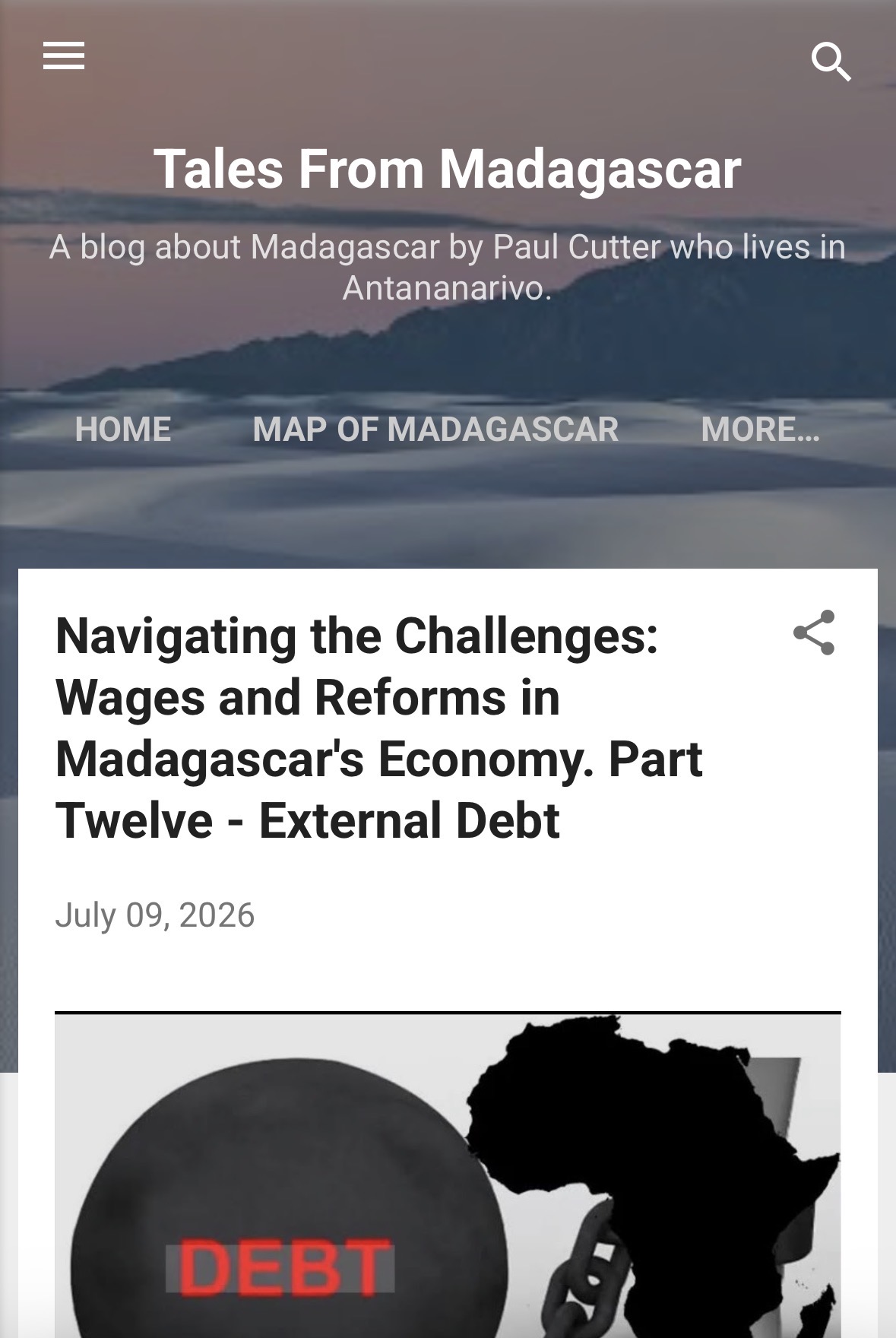 I have done 12 blogs on the economy. Budget deficit, remittances, loans by IMF, Chinese Debt, other debt , taxation and corruption.
It seems from my analysis that
a) tax reforms are needed so that the budget deficit could be eliminated
Tax reforms are essential for stabilising Madagascar's economy and addressing the budget deficit. By broadening the tax base and enhancing compliance, the government can generate more revenue without overburdening citizens. Implementing progressive taxation would ensure that wealthier individuals and corporations contribute their fair share, allowing for increased public investment in critical sectors like education and healthcare. Additionally, simplifying the tax code can reduce administrative burdens and encourage business growth, further boosting revenue.
b) Need to reduce debt exposure and reliance on debt
Reducing Madagascar's exposure to debt and reliance on external financing is crucial for fostering long-term economic stability. High levels of debt can lead to unsustainable fiscal pressures, limiting the government's ability to invest in essential services like education and healthcare. A strategic approach to debt management is needed, focusing on negotiating better terms with creditors and seeking debt relief options where applicable. Additionally, promoting local financing solutions and increasing domestic savings can help reduce dependence on foreign loans. By building a more resilient economy, Madagascar can enhance its financial sovereignty and prioritise investments that drive sustainable development.
c) corruption seems to mainly relate to domestic revenues rather than loans.
Corruption in Madagascar appears to be closely linked to the management of domestic revenues rather than external loans or foreign aid. Strengthening institutional frameworks, increasing transparency, and implementing strict anti-corruption measures are vital steps in mitigating this issue. Establishing independent audit bodies and promoting civic engagement will empower citizens to hold officials accountable, ensuring that funds allocated for public services are utilized effectively. Tackling corruption will not only improve public trust but also enhance the efficiency of government spending.
d) it needs to be easier to do business
Improving the business environment is crucial for attracting both domestic and foreign investments. Simplifying the regulatory framework, reducing bureaucratic red tape, and enhancing infrastructure can significantly increase the ease of doing business in Madagascar. Streamlining processes for permits, licensing, and taxation will encourage entrepreneurship and innovation, ultimately leading to job creation and economic growth. Furthermore, fostering a culture of collaboration between the government and the private sector can drive sustainable development and enhance competitiveness.
The persistent non-payment of teachers and healthcare workers can be attributed primarily to cash flow problems and corruption within the system. Insufficient and irregular funding from the government hampers timely salary disbursements, resulting in low morale and high turnover rates in these critical sectors. Moreover, corruption diverts necessary funds away from their intended purposes, exacerbating the situation. To address these challenges, it is imperative to prioritize the allocation of resources to education and healthcare, ensuring that teachers and health staff receive their salaries on time. This not only supports these essential workers but also reinforces the overall stability and growth of the nation by investing in human capital.
In the coming blogs I look at the above issues in more detail.


Comments
Post a Comment