Navigating the Challenges: Wages and Reforms in Madagascar's Economy. Part Eleven - Chinese Debt
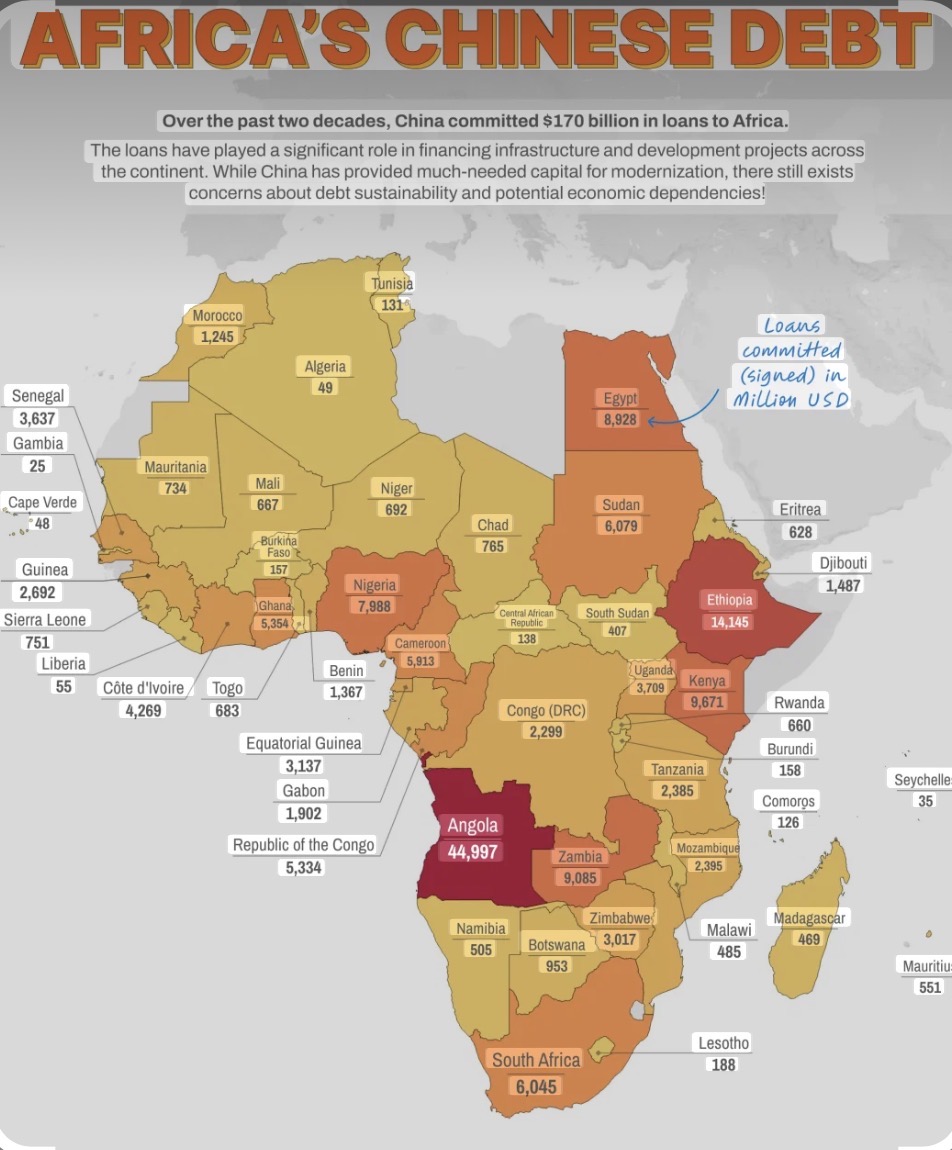 China has been a significant lender to Madagascar. Chinese loans have primarily been directed towards infrastructure projects, such as roads, bridges, and energy facilities. Here are some key points regarding China's lending:
1. Infrastructure Development: Many Chinese loans are aimed at financing large infrastructure projects that are crucial for Madagascar's economic development.
2. Growing Debt: Madagascar's debt to China has increased over the years, contributing to the overall external debt burden. China is one of the major bilateral creditors.
3. Loan Amounts: While specific outstanding loan amounts can vary, reports indicate that Chinese loans have reached hundreds of millions of dollars over the years.
4. Bilateral Agreements: Madagascar has entered into various bilateral agreements with China, which often include provisions for loans and investments in key sectors.
5. Debt Sustainability Concerns: The increasing reliance on Chinese loans has raised concerns about debt sustainability and the potential for financial distress, given the size of the debt relative to Madagascar's economy.
China's involvement in Madagascar reflects its broader strategy of increasing influence in Africa through infrastructure investments and development assistance.
China's lending to Madagascar primarily focuses on infrastructure and development projects. Here are more details regarding this debt:
Key Aspects of China's Debt to Madagascar
1. Types of Projects Funded:
- Infrastructure: Chinese loans have been used for roads, bridges, ports, and energy projects, which are critical for improving connectivity and supporting economic growth.
- Public Facilities: Some funds have been allocated for schools, hospitals, and other public services to enhance social infrastructure.
2. Loan Terms:
- Concessional Loans: Many Chinese loans are offered at concessional rates, meaning they come with lower interest rates and longer repayment periods.
- Bilateral Agreements: Loans are often tied to specific agreements that define the terms of repayment and project implementation.
3. Outstanding Debt:
- While specific figures may fluctuate, estimates suggest that Madagascar's debt to China may be in the range of several hundred million dollars, contributing significantly to the country's external debt burden.
- Reports indicate that China has become one of Madagascar's largest bilateral creditors, alongside other multilateral institutions.
4. Debt Sustainability Concerns:
- The increasing reliance on Chinese loans has raised alarms about Madagascar's debt sustainability, particularly given the country's economic challenges.
- Analysts have cautioned that the growing debt could lead to financial distress if not managed carefully, especially in light of Madagascar's limited revenue generation capacity.
5. Strategic Partnerships:
- Madagascar's relationship with China is part of a broader trend of increasing Chinese investments in Africa, which often include infrastructure development in exchange for access to natural resources.
Madagascar's increasing reliance on Chinese loans has several implications for its economic stability:
1. Debt Sustainability Risks: The growing volume of Chinese loans contributes to Madagascar's overall debt burden, raising concerns about the country's ability to service its debts. If revenues do not increase sufficiently, this could lead to a debt crisis.
2. Economic Dependency: Heavy reliance on Chinese financing may create economic dependencies, making Madagascar vulnerable to changes in China's lending policies or economic conditions. This could limit Madagascar's ability to negotiate better terms or seek alternative financing sources.
3. Infrastructure Development: On the positive side, Chinese loans have financed crucial infrastructure projects that can boost economic growth, enhance connectivity, and improve public services. Successful implementation can lead to long-term economic benefits if these projects stimulate investment and trade.
4. Quality of Projects: Concerns may arise regarding the quality and sustainability of projects funded by Chinese loans. If projects are not well-planned or executed, they may not deliver the expected economic benefits, leading to wasted resources.
5. Political Influence: Increased Chinese investment and lending may grant China greater political influence in Madagascar, potentially affecting domestic policies and governance. This could lead to scenarios where Madagascar makes concessions to China in exchange for financial support.
6. Social Impacts: If the government prioritizes debt repayment over social spending, it could negatively affect public services such as education and healthcare. This might exacerbate existing challenges, particularly in wage issues for teachers and healthcare workers.
7. Diversification of Financing: Madagascar's increasing reliance on Chinese loans highlights the need for the government to diversify its sources of financing. By seeking loans from various international lenders, Madagascar can mitigate risks associated with over-dependence on a single creditor.
8. Long-Term Development Goals: The impact of Chinese loans on economic stability will ultimately depend on how effectively the funds are used to promote sustainable development, economic growth, and job creation in Madagascar.


Comments
Post a Comment