Navigating the Challenges: Wages and Reforms in Madagascar's Economy. Part Nine - How the IMF manage the corruption risk.
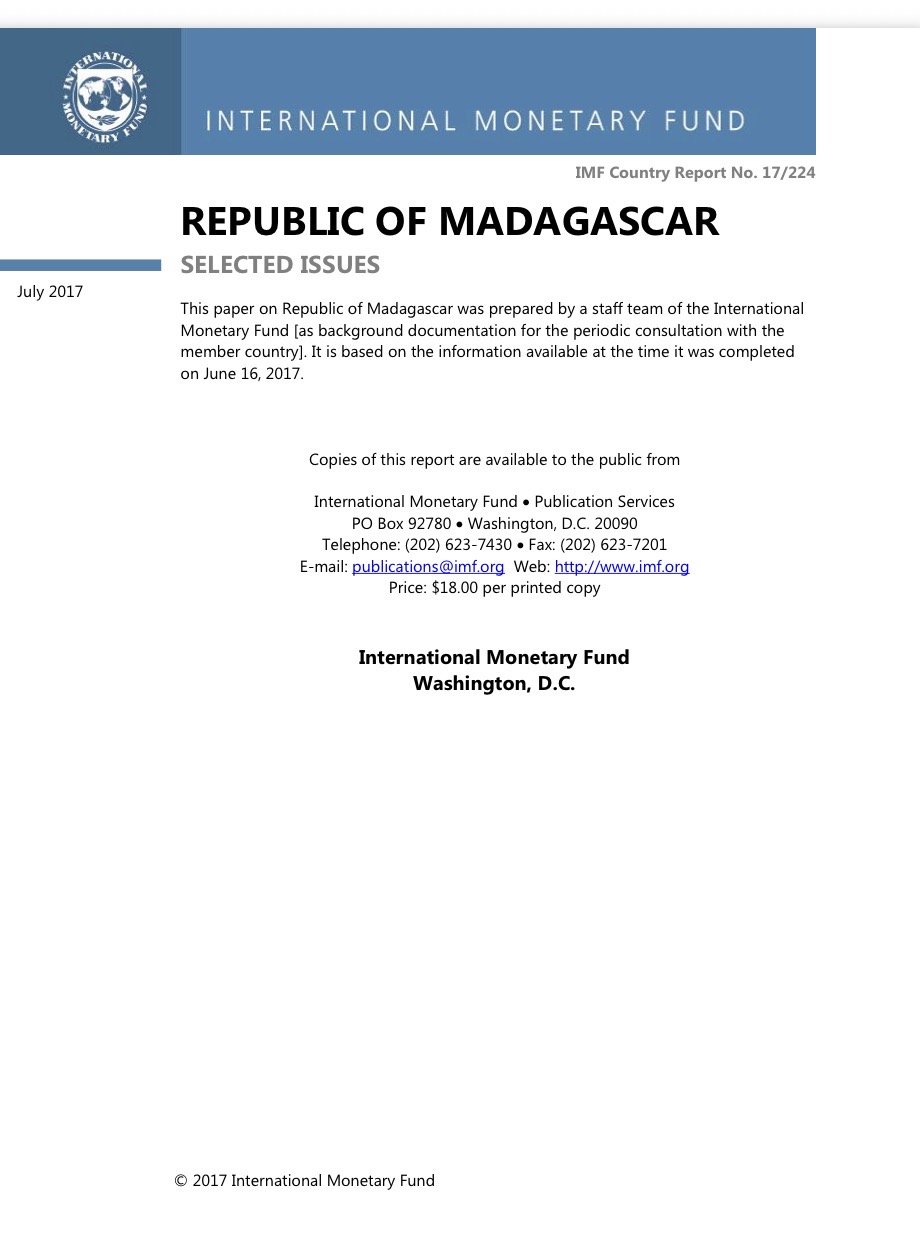 The IMF has mechanisms in place to monitor and ensure that the funds it provides are allocated correctly and used effectively, minimising the risk of corruption. Here are some key aspects of how the IMF conducts this oversight:
1. Conditionality: The IMF often attaches specific conditions to its loans, requiring countries to implement certain economic policies and reforms. These conditions can include measures to enhance transparency and accountability in public financial management.
2. Regular Reviews: The IMF conducts regular reviews of its lending arrangements. During these reviews, the IMF assesses the country's compliance with the agreed-upon conditions and evaluates the overall economic situation.
3. Reporting Requirements: Borrowing countries are typically required to provide detailed reports on how the funds are being utilized. This includes financial statements and progress reports on specific projects or reforms funded by the loans.
4. Technical Assistance: The IMF provides technical assistance to improve the capacity of governments to manage public finances, which can help reduce opportunities for corruption.
5. Collaboration with Other Organizations: The IMF collaborates with other international organizations, such as the World Bank and regional development banks, to ensure comprehensive oversight and support efforts aimed at combating corruption.
6. Public Access to Information: The IMF promotes transparency by making loan agreements, conditions, and progress reports accessible to the public, which helps hold governments accountable for the use of funds.
These mechanisms are part of the IMF's broader commitment to fostering good governance and promoting economic stability in borrowing countries.


Comments
Post a Comment