Navigating the Challenges: Wages and Reforms in Madagascar's Economy. Part Nineteen- productivity paradox
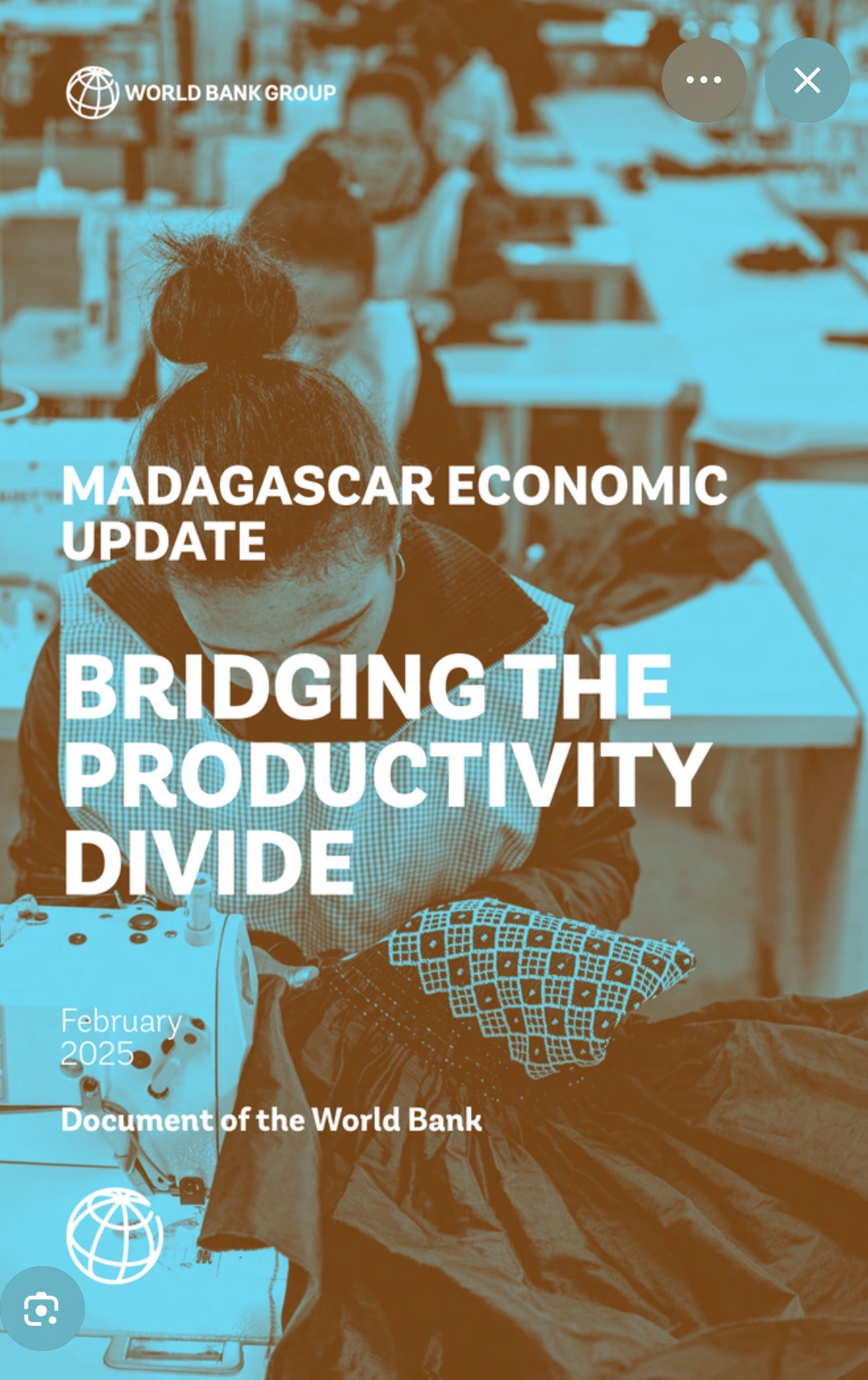 The Productivity Paradox: Navigating Wages and Reforms in Madagascar
In the twelve months I have spent living in Antananarivo, I have seen the resilience of the Malagasy people firsthand. Whether it is the dedicated teachers in our local schools or the healthcare workers striving to provide care in under-resourced clinics, there is an undeniable spirit of commitment here. Yet, beneath this commitment lies a growing tension: the struggle to maintain a decent standard of living against the backdrop of an economy that is increasingly difficult to navigate.
The recent implementation of the 300,000 Ariary Minimum Hiring Wage as of March 2026 is a necessary acknowledgement of the rising cost of living. However, as anyone who has tried to run a business—or even manage a small project—in this city knows, simply raising the wage floor is only one half of the equation. We are currently caught in a "productivity paradox." Small businesses are being squeezed by operational costs, while the workers they employ are finding it harder than ever to make ends meet.
For our teachers and healthcare workers, this isn't just an abstract economic debate. When the state and the private sector struggle to afford competitive wages, it is the quality of our public services that suffers first. If we want to move beyond the cycle of delayed payments and economic instability, we have to address the "hidden taxes" that stifle growth. From the persistent instability of JIRAMA’s power supply, which forces small clinics to spend their limited budgets on generators, to the bureaucratic friction that turns simple licensing into a months-long ordeal, these are the real barriers to prosperity.
True economic reform in Madagascar cannot rely on wage adjustments alone. It requires a fundamental shift in how we treat the "cost of doing business." By streamlining regulations through digital, one-stop services and investing in the infrastructure that keeps our goods and services moving, we can create the fiscal space necessary for sustainable, higher-paying jobs.
In this week’s post, I want to explore how these reforms are not just about corporate balance sheets—they are about the dignity of the Malagasy worker. How can we build an environment that fosters both profit for the entrepreneur and a fair wage for the person providing our essential services? It is a question that affects every one of us, from the classroom to the clinic, and it is time we start looking at the solutions that will finally allow this country to move forward.
The Hidden Taxes of Doing Business
The reality of doing business in Madagascar is that for every Ariary spent on salaries, a significant, often invisible, tax is paid to inefficiency. When a clinic has to pay for a generator because the national grid is unreliable, or a school loses weeks of administrative time chasing permits that should be automated, that is money that isn't going into the pockets of our teachers and healthcare workers.
We must advocate for a shift toward "one-stop" digital services. By digitizing registration, licensing, and tax payments, we can strip away the layers of bureaucracy that invite corruption and slow down progress. A more predictable tax system would also encourage small, informal businesses to step into the formal economy, widening the tax base so that the burden isn't just falling on the few who are already compliant.
The Path Forward: Productivity as the Foundation
If we want to sustain a higher minimum wage, we have to increase the productivity of the economy as a whole. This means prioritising infrastructure—not just the big-ticket projects, but the reliable electricity and transport links that allow small businesses to scale. When a business can operate efficiently, it becomes a engine for growth rather than a struggle for survival.
This is the cycle we need to ignite:
1. Streamline Regulation: Remove the "bureaucratic tax" to lower operational costs.
2. Invest in Infrastructure: Ensure reliable power and connectivity to boost output.
3. Formalize and Grow: Create an environment where small businesses can thrive, generating the revenue needed to pay fair, sustainable wages.
A Question of Dignity
Ultimately, this is a question of social dignity. We cannot expect our public services to excel if the people providing them are perpetually worried about their own financial security. Whether it is the teacher standing in front of a classroom or the nurse working a night shift at the local clinic, they are the backbone of this country’s future.
As we look toward the months ahead, I want to keep this focus sharp. How can we, as a community, push for the reforms that treat business not as an adversary to the worker, but as the primary vehicle for their advancement?
I would love to hear your thoughts. As we navigate these challenges, what specific reforms do you think would have the biggest impact on the ground? Let’s continue this conversation in the comments below.


Comments
Post a Comment