Navigating the Challenges: Wages and Reforms in Madagascar's Economy. Part Seventeen - Corporate Tax Reform
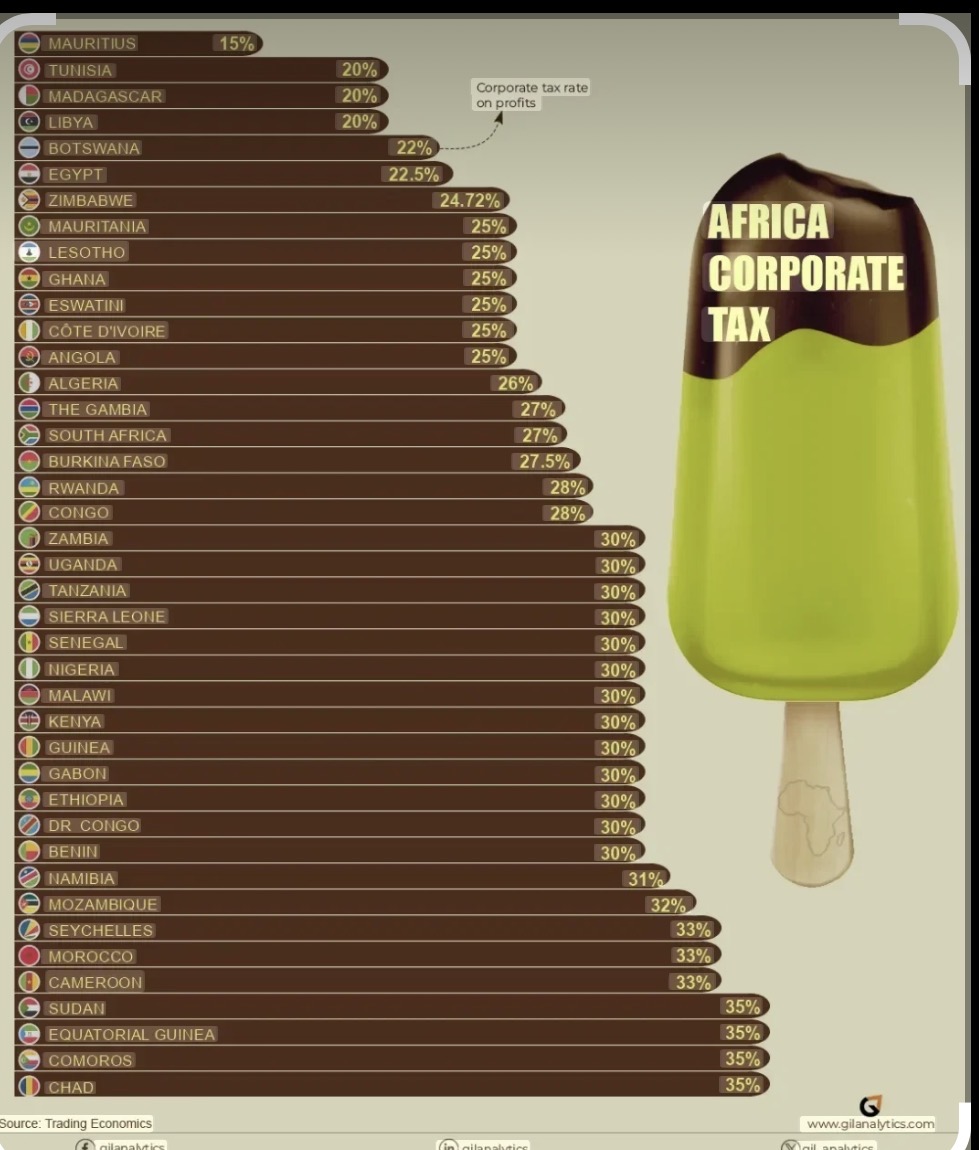
Madagascar’s current corporate tax system is a two-tier regime: small businesses under a turnover threshold use the synthetic tax, while companies above the threshold are generally taxed under the real regime at 20% of profit. The proposed 2026 reforms keep that basic structure but tighten rules, adjust thresholds, and add new tax treatments for several corporate situations.
Current system:
- Turnover below MGA 400 million: synthetic tax regime applies; PwC summarizes it as 5% of 70% of turnover, with a minimum tax depending on activity.
- Turnover above MGA 400 million: corporate income tax is 20% of profit under the real regime.
- Minimum tax floors still apply under the real regime, with different floor amounts by activity.
Proposed / 2026 reform highlights:
- Companies with turnover between MGA 200 million and MGA 400 million could choose the real income-tax regime without being automatically subject to VAT, if their financial statements are certified by a chartered accountant.
- The 2026 finance bill also extends the advance-payment period for import-export companies from 7 to 10 years.
- Dividends received by individuals would no longer be exempt from income tax starting in the 2026 fiscal year, and the 10% non-resident dividend tax would be abolished as a corollary.
- The draft also proposes tighter deductibility rules, including non-deductibility for some purchases from unregistered suppliers and for certain unsupported expenses.
- Cooperatives would be brought explicitly under income tax regardless of turnover.
In addition to the 2026 proposals. The following are further considerations.
1. Broadening the Tax Base:
- Rationale: The informal economy often represents a significant portion of GDP in developing countries, and capturing this revenue could substantially increase tax income.
- Data: In Madagascar, estimates suggest that the informal sector could account for up to 60% of total employment. By formalizing this sector through simplified tax mechanisms, the government could potentially increase tax revenues significantly.
2. Enhancing VAT ( MVA) Collection:
- Rationale: VAT is one of the most efficient ways to raise tax revenue. Improving collection could reduce the VAT gap (the difference between expected and collected VAT).
- Data: According to the OECD, the VAT gap in developing countries can average around 35%. For Madagascar, enhancing collection methods could close this gap, potentially increasing revenues by millions of Ariary.
3. Strengthening Compliance Measures:
- Rationale: Stricter penalties can deter tax evasion. Increasing compliance through audits and enforcement can lead to higher revenue.
- Data: A World Bank study found that countries with robust compliance measures see a 10–20% increase in tax revenues. Implementing similar measures in Madagascar could yield comparable results.
4. Tax Incentives for Investment:
- Rationale: Strategic tax incentives can stimulate growth in key sectors, leading to increased economic activity and tax revenues.
- Data: A report from the African Development Bank indicates that targeted tax incentives in sectors like renewable energy can lead to a 15% increase in investment in those areas, subsequently boosting tax revenue.
5. Improving Tax Administration:
- Rationale: Efficient tax administration can ensure accurate assessments and collections, reducing the cost of compliance for taxpayers.
- Data: The International Monetary Fund (IMF) suggests that investing in tax administration technology can yield a return of $5 for every $1 spent. This could significantly improve Madagascar's tax collection capabilities.
6. Simplifying Tax Codes:
- Rationale: A simplified tax system reduces compliance costs and encourages voluntary compliance among taxpayers.
- Data: Research shows that countries with simpler tax systems generally have higher compliance rates, with potential increases of 10-15% in tax revenues.
7. Taxing Natural Resources:
- Rationale: Madagascar is rich in natural resources, and appropriate taxation can generate substantial revenue.
- Data: According to the World Bank, resource-rich countries that implement effective taxation strategies can see revenue increases of up to 30% from the sector. Madagascar's mining sector could significantly contribute to this.
8. Reviewing Exemptions and Incentives:
- Rationale: Regularly reviewing tax exemptions ensures that they are justified and not eroding the tax base unnecessarily.
- Data: The IMF estimates that poorly targeted tax incentives can lead to revenue losses of about 10-20% of total tax revenue in developing countries. A review could help Madagascar retain significant revenue.
9. Digital Economy Taxation:
- Rationale: With the rise of the digital economy, developing a framework for taxing digital services can capture previously untaxed revenue.
- Data: A study by the OECD indicates that taxing the digital economy could increase tax revenues by 5-10% of GDP for countries that implement it effectively.
10. Corporate Tax Reforms:
- Rationale: Revising corporate tax rates and ensuring that multinational companies contribute fairly can enhance revenue.
- Data: Countries that have implemented reforms to close loopholes and ensure fair taxation of corporations have seen increases in corporate tax revenues by an average of 20-25%. For Madagascar, this could mean millions of Ariary in additional revenue.
Implementing these reforms could require legislative changes, improved administration, and public communication strategies to ensure compliance and understanding among taxpayers. The potential revenue increase could significantly help in addressing Madagascar's budget deficit and improving public services.


Comments
Post a Comment