Tales of Madagascar: A View from the Ground
After a year of living here in Antananarivo, I have learned that the most common conversation in our neighbourhoods is not about the latest government policy or international loan. It is about the "exit." In the quiet corners of our city, parents ask me the same painful question: "How do I get my child out of here?"
As a British national who has made this country my home, I have watched this desperation grow. It is a feeling born of love and a very real, gnawing fear. When you see the instability in our streets, the disappearances, and the daily struggle to make ends meet, the "exit" feels like the only rational act of protection. A plane ticket to Europe or the Gulf is viewed as a lifeline—a way to secure a future that feels increasingly impossible to build here.
But I have to share a hard, uncomfortable truth I have witnessed firsthand: the "exit" is often a mirage, and the path to it is paved with predators.
The Predators in the Shadows
I have seen the scams with my own eyes. I have watched families scrape together their last Ariary—selling land or borrowing from every relative—to pay "recruitment fees" for jobs that do not exist. I have seen the polished websites and the smooth-talking agents who promise a "guaranteed" visa and a high salary, only to leave young people stranded, penniless, and vulnerable.
In a world that is changing fast, the desperation of those who want to leave is a currency for human traffickers and labour exploiters. When our young people leave without a safe, verified path, they often trade the known hardships of home for the invisible, systemic dangers of debt bondage and exploitation abroad. They become ghosts in a system that does not protect them.
A Different Path: The Power of Staying
If the "exit" is so often a trap, what is the alternative? Does staying mean we are merely waiting for the collapse?
Not necessarily. As someone who has spent my life observing how societies function, I have seen that when top-down institutions fail, the most enduring change comes from the bottom up. It comes from the "human infrastructure" that still exists in every neighborhood in Antananarivo: the teachers supporting one another, the healthcare workers documenting the truth, and the local associations filling the gaps where the state has failed.
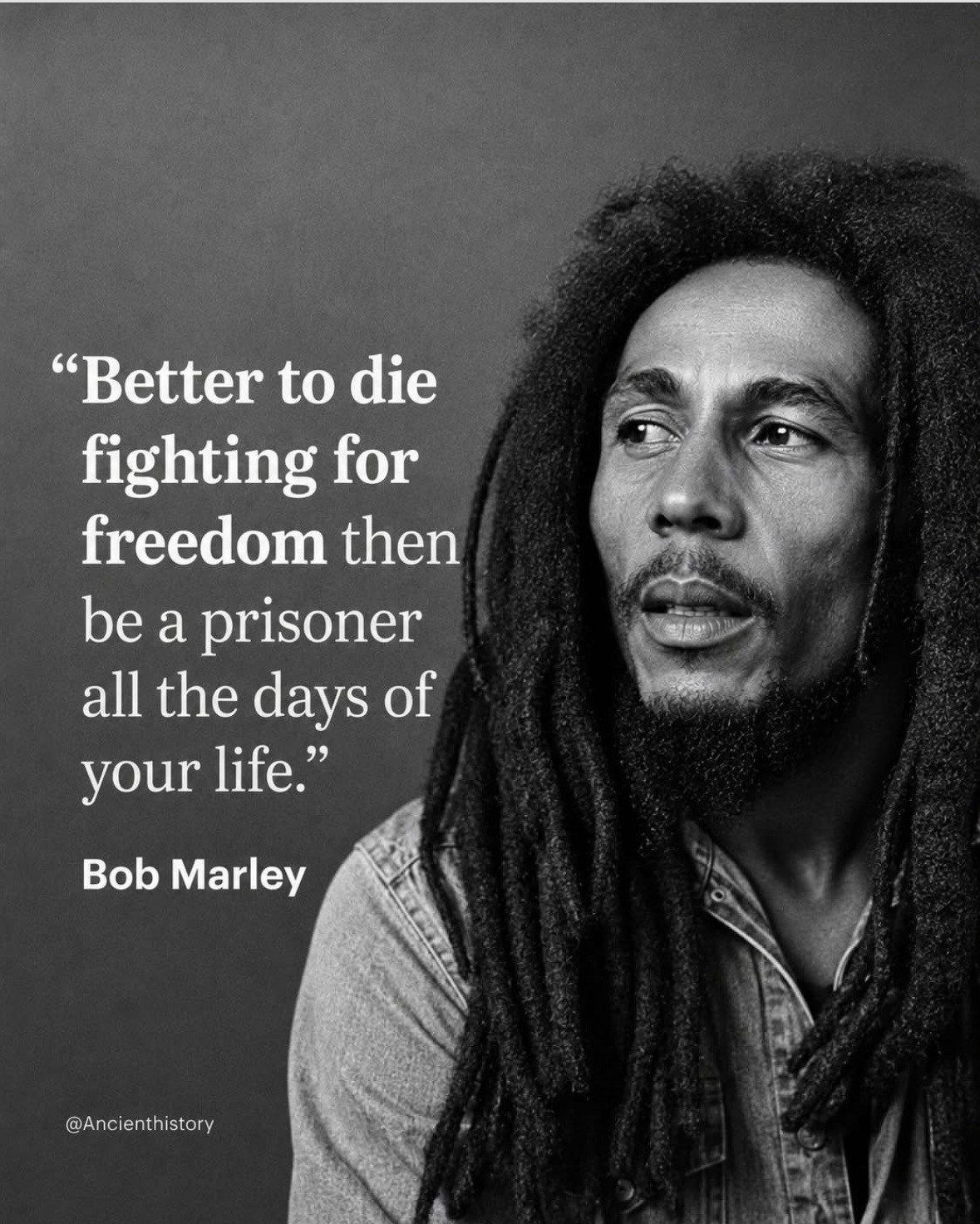
"Fighting for freedom" doesn't always mean a grand revolution or a desperate flight to a foreign land. Sometimes, it is the stubborn, daily act of staying. It is the act of mentoring a young person for a local job, of organizing a community safety network, or of simply refusing to let the fear win.
Building Where We Stand
When my grandson arrives here on August 1, I don’t want to show him a country that is just a place to escape. I want to show him a place that is worth building. We have the talent, we have the resilience, and we have each other.
The most radical act we can take today is to stop looking for the exit and start looking at our neighbours. If we invest our energy into strengthening our own communities—creating those small, transparent pockets of stability—we become less vulnerable to the predators who prey on our desperation.
We are not prisoners of our circumstances unless we choose to be. Let us stop selling our children the dream of an impossible exit and start giving them the tools to build their own future, right here, where they belong.
This is an entry in the "Tales of Madagascar" series. If you are considering opportunities abroad, please be vigilant—if an offer seems too good to be true, it almost certainly is. Protect your family by verifying every promise.


Comments
Post a Comment