The Leapfrog Paradox: Can AI Rescue a Fragile Economy? (Part 3: The Transparency Engine)
In the first two parts of this series, we explored how AI could bridge our infrastructure gap and serve as a "force multiplier" for our teachers and healthcare workers. But all these technical solutions share a common vulnerability: the integrity of the system in which they operate. As we have seen in Madagascar, the most brilliant policy can be hollowed out by corruption, and the most necessary funds can disappear before they ever reach the people who need them.
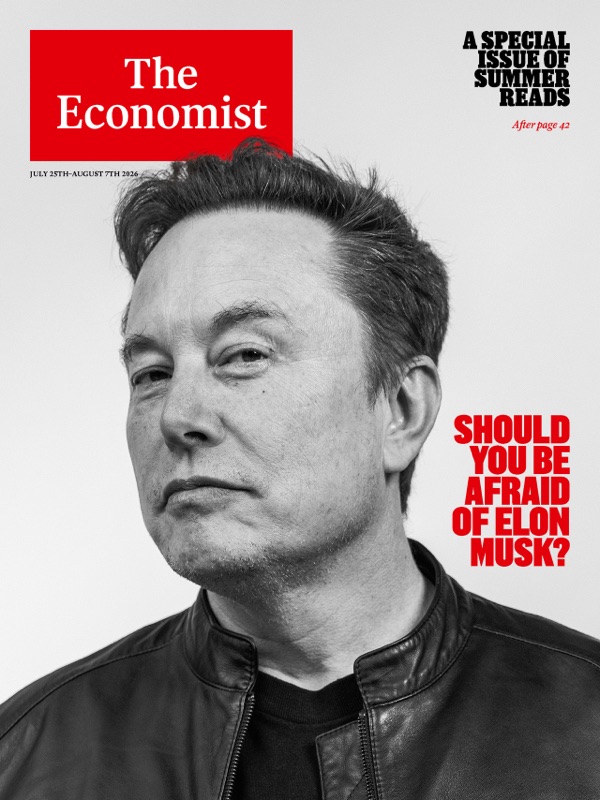
In his Economist interview, Elon Musk discussed the potential for AI to reshape society. If we are to apply that vision to Madagascar, we must confront the most difficult hurdle of all: governance. If the government won't reform, can technology force it?
The Transparency Engine
Corruption thrives in the dark. It relies on opaque budgets, complex procurement processes, and a lack of real-time oversight. AI offers a new, radical form of accountability: automated auditing.
By mandating that all government procurement, tax collection, and budget allocation data be published in machine-readable formats, we can turn the "missing" revenue that currently fuels our budget deficits into a visible, trackable flow of resources.
1. AI-Driven Budget Audits: AI tools can cross-reference public spending with project outcomes in real-time. If funds are allocated for a school renovation in a rural district, the system could flag discrepancies between the released funds, the invoices submitted, and the actual progress of the work.
2. Tracking the "Missing" Revenue: We have long identified that domestic tax collection is the primary site of leakage. AI can analyse tax rolls, identify patterns of evasion, and flag anomalies in revenue reporting, making it significantly harder for public funds to be siphoned off by well-connected actors.
3. Empowering the Citizen Auditor: Transparency is only useful if it is accessible. We need to translate this complex financial data into simple, public-facing dashboards. By giving civil society, journalists, and the public the tools to monitor the budget, we turn every citizen into a potential auditor.
Policy Initiative: The "Open Budget, AI Audit" Mandate
To make this a reality, we need more than just good intentions; we need a legislative shift.
* Mandatory Digital Transparency: Legislation must require that all government financial transactions be recorded on an open, digital ledger. This is not just about "posting reports"—it is about creating a data-driven environment where every Ariary can be accounted for.
* Independent Tech-Audit Commission: We should establish an independent commission, staffed by local tech experts and civil society leaders, tasked with managing these AI-audit tools. This commission must be insulated from political interference to ensure that the "audit" isn't used as a weapon against political opponents.
* Protection for Whistleblowers: Technology is only as good as the people who use it. We must strengthen the legal protections for those who bring discrepancies to light, ensuring that the evidence provided by AI-driven audits leads to real consequences, not just more silence.
The Verdict
The transition to an AI-enabled economy is not just about hardware or software; it is about the social contract. If we can use AI to make the state's actions visible, we strip away the veil of secrecy that has protected corruption for too long.
This is the ultimate test of the "Leapfrog Paradox." Can we use the tools of the future to fix the foundational problems of the past? It is a daunting challenge, and one that will be met with resistance from those who benefit from the status quo. But for a country that is tired of waiting for change, this technology offers a path toward a new kind of grassroots power—one where transparency is not just an ideal, but a mathematical certainty.


Comments
Post a Comment