The Pyramid of Accountability: Part 6 Part Six : Political Leaders: The Link Between Power and Accountability
Part Six : Political Leaders: The Link Between Power and Accountability
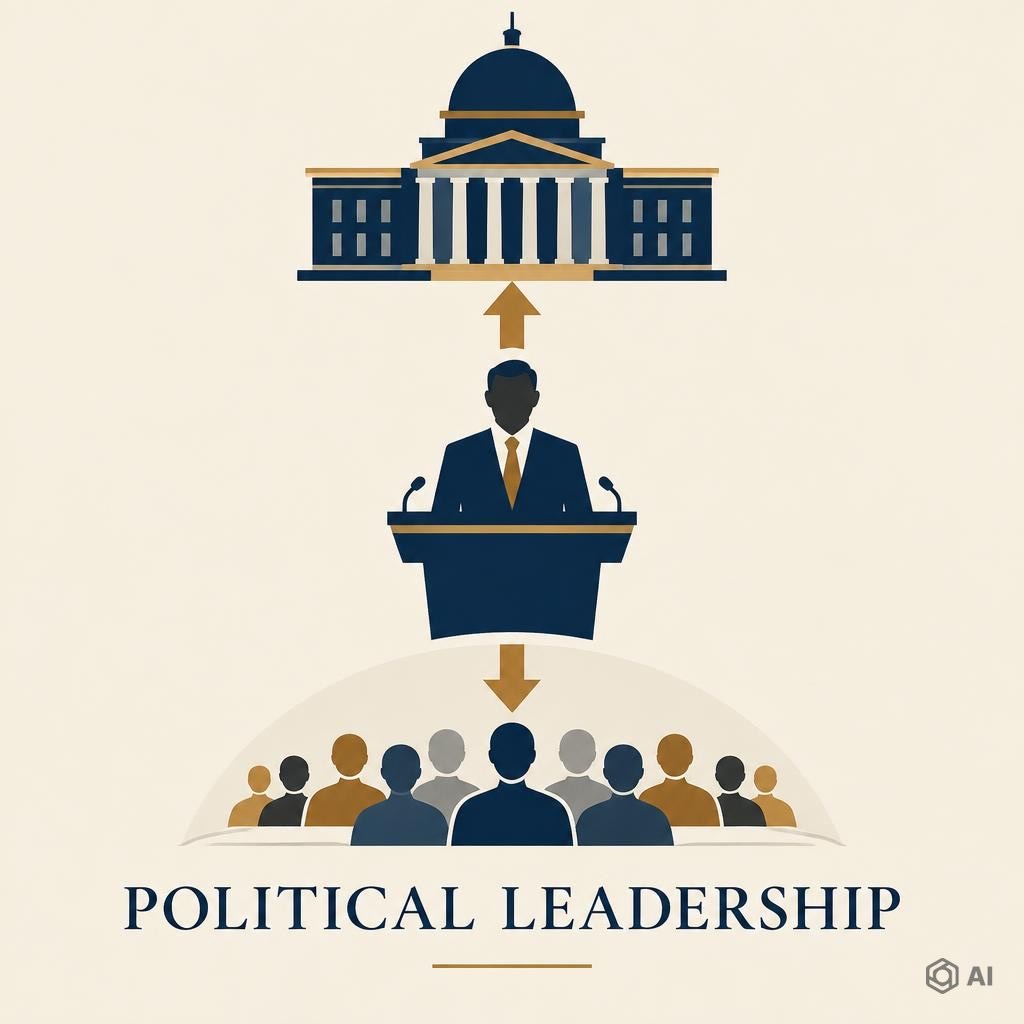
Political leaders occupy a crucial position in the Pyramid of Accountability. They stand between the state and the people, with the authority to shape laws, control public resources, appoint officials and determine national priorities.
With that authority comes responsibility. Political leaders must answer not only for their personal decisions, but also for the conduct of the institutions and public servants working under their direction. They cannot claim credit for success while blaming others for failure.
In a healthy democracy, political leadership is not simply about winning elections or holding office. It is about explaining decisions, managing public money honestly, respecting the law and responding to citizens’ concerns. Leaders must also ensure that public institutions serve the people rather than political interests.
When political leaders avoid scrutiny, protect corrupt officials or use state resources for personal and partisan advantage, accountability begins to collapse. Institutions become weaker, public servants lose direction and citizens lose trust.
Political leaders therefore carry a special burden. They must set the example from above. Responsibility must move upwards—not stop with the official who signed a document or the employee who carried out an order. Ultimately, those who hold political power must answer for the system they create and the choices they make.


Comments
Post a Comment